
 EN

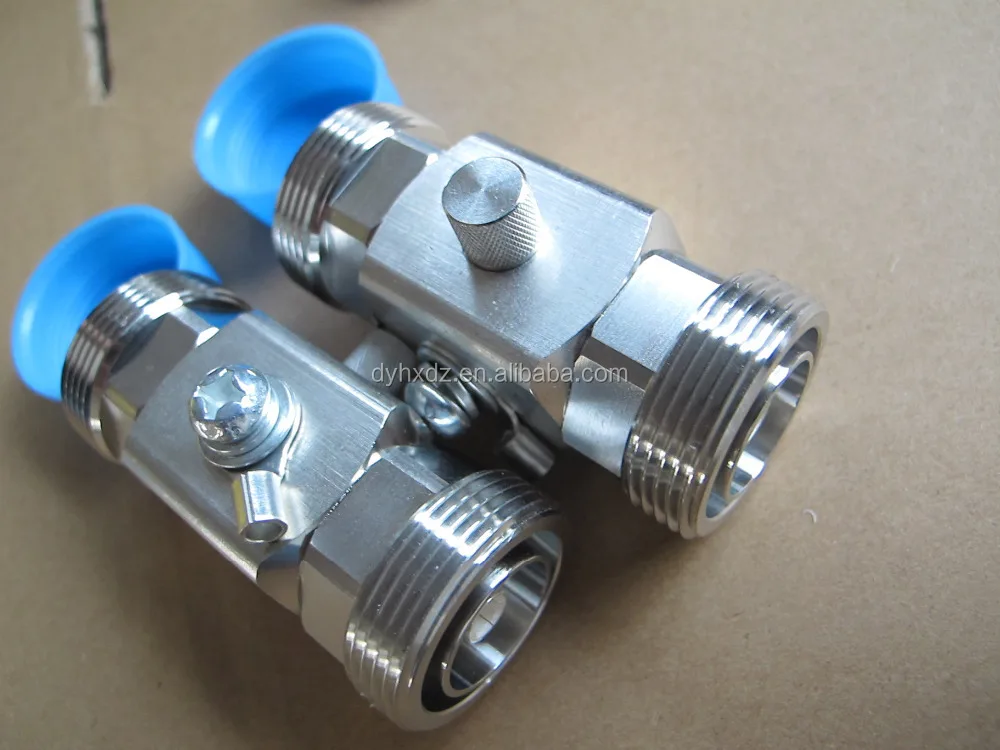
Protecting RF equipment from electrical surges is crucial for maintaining performance and longevity, especially in communications technologies. A lightning surge arrester serves as a protective device that diverts excess voltage away from sensitive RF components during a surge event. For purchasing managers, engineers, and other B2B buyers, understanding how to select the appropriate surge arrester for RF needs is essential for ensuring reliability and compliance with industry standards. This article provides insights into choosing, evaluating, and sourcing lightning surge arresters specifically tailored for RF applications.
How to Choose the Right Lightning Surge Arrester for Your RF Needs
Selecting the right lightning surge arrester begins with understanding the specific requirements of your RF equipment and application. Consider the following factors:
Voltage Rating: Ensure that the arrester's voltage rating exceeds the maximum operating voltage of your RF equipment to prevent breakdown during a surge. Typically, this will involve examining the peak operating voltage and ensuring a suitable margin above that value.
Surge Current Capacity: The arrester should be rated for the maximum surge current it may encounter. This rating is often determined by the typical surge conditions in your geographical location. Understanding local weather patterns and historical data on lightning strikes can guide this selection.
Frequency Response: RF applications often operate at specific frequency ranges. Confirm that the surge arrestor is designed to operate effectively within these frequencies to avoid attenuation or distortion of the RF signals.
Installation Environment: Consider whether the arrester will be exposed to outdoor elements or housed indoors. Environmental conditions, such as moisture, temperature variations, and dust, can influence the choice of materials and design.
Compliance and Standards: Ensure the arrester adheres to relevant industry standards, such as those set by military specifications or international safety standards. This can prevent potential issues with compliance during audits or inspections.
By evaluating these factors, buyers can narrow down their options to select a lightning surge arrester that offers robust protection for RF applications.
Evaluating the Quality of Lightning Surge Arresters for RF Equipment
Quality evaluation of lightning surge arresters involves several technical and performance criteria:
Material Composition: High-quality surge arresters typically use durable materials that can withstand high temperatures and corrosion. Look for components made from stainless steel or other corrosion-resistant alloys, especially for outdoor installations.
Testing Certifications: Verify that the arrester has undergone rigorous testing by accredited laboratories. Common tests include impulse voltage testing, thermal stability testing, and environmental resistance testing. Certifications from recognized bodies can provide assurance of performance and reliability.
Performance Metrics: Examine the manufacturer’s specifications for response time and energy absorption capability. Quick response times are essential to minimize the risk of damage during a surge. Look for arresters with low residual voltage characteristics that ensure minimal disruption to RF signals during operation.
Warranty and Support: A reliable manufacturer should offer warranties and after-sales support. This can be indicative of confidence in the product quality and can assist in resolving any potential issues post-installation.
By rigorously assessing these quality attributes, buyers can ensure they invest in a reliable power line lightning arrester that meets their RF protection needs.
Where to Source Reliable Lightning Surge Arresters in Bulk
Sourcing lightning surge arresters in bulk requires careful consideration of suppliers and their capabilities:
Manufacturer Reputation: Research manufacturers with a proven track record in producing RF components. Look for reviews, case studies, and testimonials from other businesses in the telecommunications or RF sectors.
Customization Options: Some manufacturers may offer customization services to tailor surge arresters to specific RF applications. Ensure that the supplier can accommodate custom specifications, whether in dimensions, materials, or performance attributes.
Bulk Pricing and MOQ: Discuss pricing structures for bulk orders, including minimum order quantities (MOQ). Some suppliers may offer discounts based on order volume, which can impact overall purchasing costs.
Lead Times: Evaluate lead times for production and delivery, especially if your project has tight deadlines. Reliable suppliers should provide clear timelines and adhere to them to avoid project delays.
Shipping and Logistics: Understand the supplier’s shipping capabilities and costs. Reliable logistics support can ensure that products are delivered safely and on time.
Connecting with reputable manufacturers like Dongguan Yuxiang Electronic Technology Co., Ltd., which specializes in high-precision RF components, can greatly enhance sourcing reliability.
Common Installation Issues with Lightning Surge Arresters and Solutions
Installation of lightning surge arresters can present challenges that require attention to detail:
Incorrect Placement: Surge arresters should be installed as close as possible to the RF equipment they protect. Improper placement can lead to increased inductance and reduced protection. Ensure that installation guidelines are followed precisely.
Grounding Issues: Effective grounding is critical for coaxial lightning arrester to function correctly. Ensure that grounding connections are solid and comply with local electrical codes. Poor grounding can lead to inadequate surge protection.
Environmental Exposure: For outdoor installations, ensure that the surge arrester is weatherproof and installed in a protected enclosure if necessary. This can prevent damage from environmental factors such as rain or snow.
Cable Selection: Use appropriate cables for connections between the surge arrester and RF equipment. Ensure that cable lengths are minimized to reduce the risk of signal degradation.
Regular Maintenance: Implement a regular inspection schedule to check the condition of surge arresters and connections. Over time, wear and environmental factors can affect performance.
Addressing these installation issues can significantly enhance the effectiveness of lightning surge arresters in protecting RF equipment.
Comparing Different Lightning Surge Arrester Models for RF Equipment
When comparing various models of lightning surge arresters, consider the following aspects:
Technical Specifications: Review the technical specifications of each model, focusing on voltage rating, surge current capacity, and frequency response. This data will allow you to assess compatibility with your RF equipment.
Physical Dimensions: Ensure that the physical dimensions of the arrester model can fit within your installation space without compromising other components or equipment.
Cost vs. Performance: While it may be tempting to select the lowest-cost option, consider the long-term performance and reliability of the arrester. Lower-priced models may not provide the same level of protection, resulting in higher costs down the line due to equipment damage.
User Feedback: Look for feedback from other users regarding specific models. Insights into real-world performance can help identify any common issues or advantages associated with particular models.
Trial Samples: Whenever possible, request trial samples of the lightning surge arrester to test their performance within your specific RF application before placing a full order. This can help confirm compatibility and reliability.
By comparing these factors, buyers can make informed decisions to select the most suitable lightning surge arrester model for their RF equipment, ensuring optimal protection and performance.
Table of Contents
- How to Choose the Right Lightning Surge Arrester for Your RF Needs
- Evaluating the Quality of Lightning Surge Arresters for RF Equipment
- Where to Source Reliable Lightning Surge Arresters in Bulk
- Common Installation Issues with Lightning Surge Arresters and Solutions
- Comparing Different Lightning Surge Arrester Models for RF Equipment