
 EN

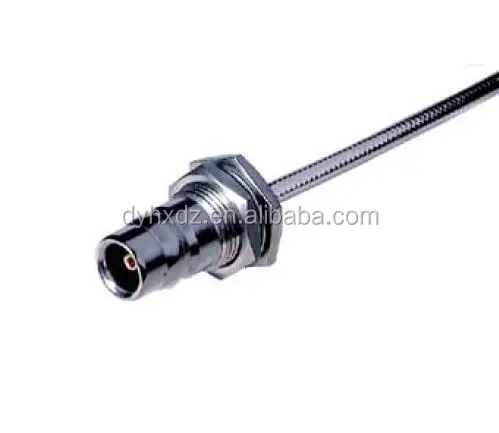
Understanding power handling requirements for high power coaxial cables is essential for ensuring reliable performance in various applications, particularly in the telecommunications and industrial sectors. High power coaxial cables are designed to transmit significant amounts of electrical power while maintaining signal integrity and minimizing losses. For B2B buyers such as purchasing managers, engineers, and product managers understanding these requirements is crucial for selecting the right cable for their specific applications. This article will outline key considerations for power handling, specification selection, purchasing factors, and installation guidance to help you make informed decisions.
Understanding Power Handling Requirements in High Power Coaxial Cables
Power handling in high power coaxial cables refers to the maximum amount of power that the cable can transmit without failure or degradation of performance. Several factors influence power handling, including cable design, materials, and environmental conditions.
Cable Design: The geometry of the coaxial cable assembly plays a crucial role in its ability to handle power. Cables with larger diameters, for example, can dissipate heat more effectively, allowing them to handle higher power levels. Additionally, the dielectric material used between the inner conductor and outer shield impacts power handling; materials with higher thermal conductivity can improve performance.
Material Selection: Common materials for high power coaxial cables include copper for conductors and polyethylene or Teflon for dielectrics. The choice of materials affects not only power transmission but also impedance and signal loss. Therefore, selecting the right materials is pivotal to meeting the power handling requirements.
Environmental Factors: The operating environment can significantly influence power handling. Factors such as temperature, humidity, and exposure to chemicals should be considered. For instance, cables used in high-temperature environments may require specialized materials to prevent degradation.
Understanding these factors will help ensure that the selected high power coaxial cable meets the necessary power handling requirements for your application.
How to Choose the Right Coaxial Cable for Your Application Needs
Selecting the right coaxial cable involves analyzing various factors related to your specific application. Here are key considerations to guide your choice:
Application Requirements: Clearly define the application where the coaxial cable will be used. Consider parameters such as frequency range, power levels, and distance. For example, if the application involves high-frequency signals, ensure that the cable's specifications support minimal signal loss at those frequencies.
Power Handling Capability: Assess the power handling capabilities required for your application. This includes calculating the power levels the cable will carry and ensuring that the selected cable can handle these levels without overheating or causing signal distortion.
Connector Compatibility: Ensure that the cable is compatible with the connectors and equipment in your system. Mismatched connectors can lead to signal loss and increased return loss. It’s advisable to consult with manufacturers about specific connector types that best suit your needs.
Environmental Suitability: Evaluate the environmental conditions where the cable will be installed. If it’s exposed to extreme temperatures or moisture, select a cable with appropriate insulation and protective features.
By thoroughly assessing these factors, you can choose a coaxial cable connector assembly that will perform optimally in your application.
Key Specifications for High Power Coaxial Cable Selection
When selecting high power coaxial cables, several key specifications should be considered to ensure optimal performance:
Impedance: Most coaxial cables come in standard impedances of 50 or 75 ohms. Selecting the correct impedance is crucial for minimizing reflection and maximizing power transfer. Mismatched impedance can lead to signal integrity issues.
Power Handling Rating: This rating indicates the maximum power the cable can handle safely. Look for data sheets that provide this information, and ensure the cable’s rating aligns with your application's power requirements.
Voltage Rating: The voltage rating is often specified alongside the power handling rating. It indicates the maximum voltage the cable can tolerate without breakdown. Ensuring the voltage rating meets your application’s requirements is vital to prevent failure.
Temperature Rating: The temperature rating indicates the operational limits of the cable materials. Ensure that the selected cable can withstand the maximum expected temperature in your application.
Electrical Performance Metrics: Look into specifications related to insertion loss, return loss, and VSWR (Voltage Standing Wave Ratio). These metrics provide insight into the cable's efficiency and effectiveness at transmitting signals.
By focusing on these specifications, buyers can ensure their selected high power coaxial cables will perform reliably in their intended applications.
Wholesale Purchasing Considerations for High Power Coaxial Cables
When purchasing high power coaxial cable connectors wholesale, various factors can influence the decision-making process:
Minimum Order Quantity (MOQ): Manufacturers often have a minimum order quantity that may affect pricing and availability. Understanding the MOQ will help you plan your inventory and budget accordingly.
Lead Times: Inquire about lead times for production and delivery. Depending on the manufacturer’s capabilities, lead times can vary significantly. Ensure that the lead time aligns with your project timelines to avoid delays.
Customization Options: Many manufacturers, including Dongguan Yuxiang Electronic Technology Co., Ltd., offer customization options for cable lengths, materials, and connectors. If your application requires specific configurations, discussing these options upfront can lead to better outcomes.
Quality Assurance: Evaluate the manufacturer’s quality control processes. Understanding how they ensure product quality such as through inspections, testing, and certifications can help you make a more informed purchasing decision.
Pricing Structure: Compare pricing among different suppliers while considering the total cost of ownership, including shipping and potential tariffs. A lower unit price may not always equate to overall savings, especially when factoring in quality and reliability.
By addressing these considerations, buyers can effectively navigate the wholesale purchasing landscape for high power coaxial cables.
Installation Guidance for High Power Coaxial Cable Systems
Proper installation of high power coaxial cable is crucial for ensuring optimal performance and longevity. Here are key installation considerations:
Preparation and Planning: Before installation, carefully plan the installation route, avoiding sharp bends and kinks that could compromise the cable's integrity. Ensure that the cables are adequately supported throughout their length to prevent strain.
Connector Installation: Properly install connectors according to the manufacturer's specifications. Mismatched or poorly installed connectors can lead to increased signal loss and potential system failures.
Environmental Protection: If the cables will be installed in harsh environments, consider additional protective measures such as conduit or weatherproofing. This can help extend the cable’s lifespan and maintain performance.
Testing: After installation, conduct tests to verify performance metrics, including signal integrity and power handling capabilities. Testing under actual operating conditions is essential to confirm that the installation meets all performance requirements.
Regular Maintenance: Schedule regular inspections to check for signs of wear or environmental damage. Early detection of issues can prevent costly downtime and ensure consistent performance.
Following these installation guidelines will help you achieve optimal performance from your high power coaxial cable systems, ensuring reliability and efficiency in your operations.
Table of Contents
- Understanding Power Handling Requirements in High Power Coaxial Cables
- How to Choose the Right Coaxial Cable for Your Application Needs
- Key Specifications for High Power Coaxial Cable Selection
- Wholesale Purchasing Considerations for High Power Coaxial Cables
- Installation Guidance for High Power Coaxial Cable Systems