
 EN

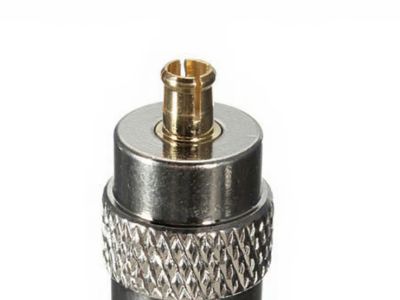
Selecting the right antenna coaxial cable is crucial for ensuring reliable RF connections in various applications. Buyers often face concerns about compatibility, performance, and quality when choosing the appropriate cable for their projects. This article will guide you through key considerations, specifications, and applications of antenna coaxial cable, helping you make informed decisions for your RF connectivity needs.
Choosing the Right Antenna Coaxial Cable for Your Projects
When selecting an antenna coaxial cable, it’s essential to consider several factors that impact performance and reliability. First, identify the specific requirements of your application. Factors such as frequency range, power handling, and environmental conditions will influence your choice.
For example, if your application requires signal transmission over long distances, you may need a cable with lower attenuation. On the other hand, for installations in harsh environments, consider cables with robust jackets that can withstand temperature fluctuations or moisture. Additionally, ensure that the connectors are compatible with your existing equipment to avoid any connectivity issues.
Understanding your project’s unique needs will guide you in selecting the most suitable coaxial cable, optimizing performance, and reducing the likelihood of signal loss or interference.
Key Specifications to Compare in Antenna Coaxial Cables
Several key specifications should be compared when evaluating antenna coaxial cables:
Impedance: Most RF applications utilize 50-ohm or 75-ohm cables. Ensure that the impedance matches your system requirements to minimize signal reflections and ensure optimal performance.
Attenuation: This specification indicates how much signal loss occurs over a specific distance. Lower attenuation values are preferable, especially for longer runs, to maintain signal integrity.
Frequency Range: The selected cable must support the frequency range of your application. Check the manufacturer’s specifications to confirm that the cable can handle the required frequency without significant signal degradation.
Jacket Material: The outer jacket material affects durability and environmental resilience. Common materials include PVC, PE, and Teflon, each offering different levels of protection against moisture, chemicals, and UV exposure.
Cable Diameter: Consider the diameter of the rf coaxial cable in relation to your installation space. Larger cables may provide better performance but can be more challenging to manage and install.
By thoroughly comparing these specifications, you can select an antenna coaxial cable that meets your performance and environmental requirements effectively.
Understanding Cost Factors for Antenna Coaxial Cables
The price of antenna coaxial cables can vary significantly based on several factors. Here are some key considerations that influence cost:
Material Quality: Higher-quality materials often result in better performance and durability but can raise the overall cost. For instance, cables with premium shielding or specialized jackets may come at a higher price.
Length of Cable: Longer cables generally cost more due to the increased amount of materials used. However, consider the total cost, including installation and potential signal loss over longer distances, when evaluating price.
Customization: If you require custom lengths or specialized connectors, the cost will increase. Customization can include specific cable assemblies tailored to your application's needs.
Volume Discounts: Purchasing in bulk typically provides cost savings. If you anticipate needing large quantities, discuss volume pricing with your supplier to optimize your budget.
Understanding these cost factors enables you to make informed financial decisions while ensuring you receive the necessary quality and performance from your coaxial cables.
Applications of Antenna Coaxial Cables in Various Industries
Antenna coaxial cables are widely used across various industries, including telecommunications, aerospace, and automotive. Here are some notable applications:
Telecommunications: In the telecom sector, coaxial cables are critical for connecting antennas to base stations, ensuring reliable communication signals.
Broadcasting: Radio and television broadcasting heavily rely on coaxial cables to transmit signals from transmitters to antennas, maintaining signal quality over distances.
Aerospace and Defense: These industries utilize high-precision coaxial cables to ensure reliable RF connections in mission-critical applications, adhering to strict military standards.
Medical Equipment: In medical imaging and diagnostic equipment, rf coaxial cable connectors are essential for transmitting high-frequency signals, ensuring accurate readings and results.
Understanding the specific applications of coaxial cables in your industry can help identify the right product for your needs, ensuring reliable performance and compliance with necessary standards.
Material Advantages of High-Precision Antenna Coaxial Cables
High-precision antenna coaxial cables offer several material advantages that enhance performance and reliability. Key materials include:
Dielectric Materials: The type of dielectric material used in the cable significantly affects its performance. For example, foamed polyethylene (PE) dielectric provides better insulation and lower attenuation compared to solid PE, making it ideal for high-frequency applications.
Shielding Types: Cables can be shielded with various materials, such as aluminum foil or braided copper. Effective shielding minimizes electromagnetic interference (EMI), which is crucial for maintaining signal integrity in environments with high RF noise.
Outer Jacket Materials: The choice of outer jacket material can affect durability. For instance, Teflon jackets are known for their superior resistance to temperature and chemicals, making them suitable for harsh environments.
By selecting high-precision materials, you can ensure that your coaxial cables not only meet performance requirements but also provide durability and longevity in various applications.
In summary, selecting the right antenna coaxial cable involves understanding your specific application needs, comparing key specifications, considering cost factors, and recognizing the material advantages of high-precision cables. This knowledge empowers you to make informed purchasing decisions, ensuring reliable RF connections for your projects.