
 EN

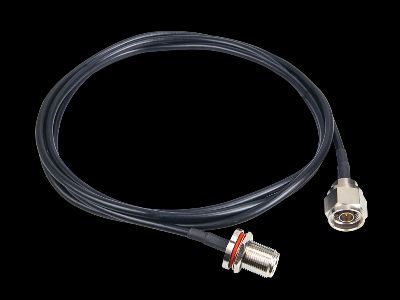
Surge protection is essential for antenna feeder systems to prevent damage from electrical surges, which can occur due to lightning strikes, power fluctuations, or other electrical interferences. Understanding the surge protection requirements for these systems is crucial for B2B buyers, including purchasing managers and engineers, who need to ensure reliability and longevity in their communications systems. This article will help you navigate the key aspects of selecting, evaluating, and implementing surge protection solutions tailored to your antenna systems
How to Choose the Right Surge Protection for Your Antenna Systems
Selecting the appropriate surge protection for antenna feeder systems involves understanding both the specific requirements of your system and the environmental conditions where it will operate. Start by assessing the voltage and current ratings of the surge protection devices (SPDs) to ensure they align with the maximum expected surge levels, which can vary significantly based on geographic location and installation specifics
It's also important to consider the type of installation—whether it's a permanent installation or a mobile setup. For permanent installations, look for SPDs that comply with military and international standards, which can enhance reliability and minimize maintenance needs. Additionally, evaluate the installation environment; SPDs should be rated for outdoor use if they are exposed to moisture or extreme temperatures
Lastly, consider the integration of the surge protection devices into the existing system. Ensure compatibility with RF connectors and cable assemblies, such as those provided by Dongguan Yuxiang Electronic Technology Co., Ltd., which can offer high-precision options to maintain signal integrity while providing surge protection
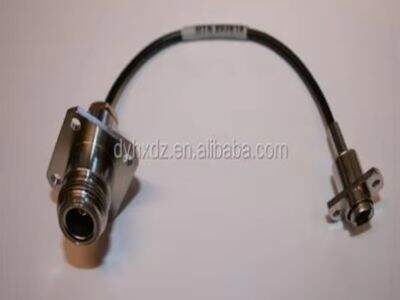
Wholesale Surge Protection Solutions for Antenna Feeder Systems
For businesses looking to source surge protection solutions in bulk, wholesale purchasing can provide significant cost benefits. When evaluating suppliers, consider their capacity to meet large orders and their ability to provide customized solutions tailored to your specific needs
Dongguan Yuxiang Electronic Technology Co., Ltd. specializes in OEM services, making it a suitable partner for companies needing customized surge protection devices. Look for suppliers that can demonstrate a robust manufacturing capability, including the ability to adhere to strict quality control processes. This ensures the products delivered will perform reliably under operational conditions
Additionally, inquire about minimum order quantities (MOQs), lead times, and packaging options, as these factors can affect your overall procurement strategy. A dependable supplier will be transparent about these details and can provide samples for evaluation before mass production
Key Specifications for Surge Protection Devices in Antenna Systems
When evaluating surge protection devices, specific technical specifications are critical to ensuring optimal performance. Key specifications include
Clamping Voltage: This is the maximum voltage that can be allowed through the SPD before it redirects excess voltage to ground. Lower clamping voltages typically offer better protection
Current Rating: This specification indicates the maximum surge current the device can handle without failure. Ensure that the rating exceeds the expected surge current for your application
Response Time: A faster response time minimizes the duration of exposure to over-voltage conditions, reducing potential damage
Frequency Range: Ensure that the SPD is compatible with the frequency range of your antenna system. Incompatible devices can lead to signal loss and performance degradation
Environmental Rating: Depending on installation conditions, select SPDs with appropriate environmental ratings (such as, IP ratings) to withstand moisture, dust, and temperature extremes
Understanding these specifications will help you choose a surge protection solution that effectively safeguards your antenna systems against electrical disturbances
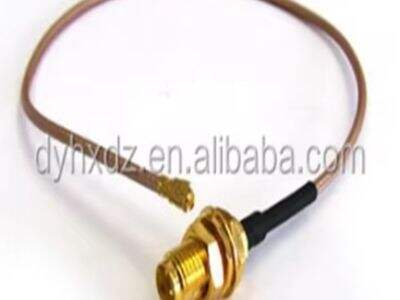
Evaluating Quality in Surge Protection for Antenna Applications
Quality evaluation of surge protection devices goes beyond mere compliance with specifications. Here are some key considerations
Certification Standards: Verify that the devices meet relevant industry certifications, which can include UL, IEC, or military standards. These certifications are indicators of reliability and performance
Material Selection: The materials used in the construction of the SPD can affect its longevity and performance. Look for high-quality components that can withstand environmental stressors without degradation
Manufacturer Reputation: Research the manufacturer's history and reputation in the industry. A manufacturer with a proven track record, such as Dongguan Yuxiang Electronic Technology Co., Ltd., is often a reliable source of high-quality products
Testing Procedures: Inquire about the testing procedures the manufacturer employs. Rigorous testing under simulated surge conditions can provide assurance of the device's performance in real-world applications
By focusing on these quality indicators, you can ensure that the surge protection devices you select will perform reliably in your antenna feeder systems
Common Problems with Surge Protection and Effective Solutions
Despite the best planning, issues can arise with surge protection devices. Common problems include
Insufficient Ratings: Choosing SPDs with inadequate ratings can lead to device failure during a surge event. It's essential to conduct a thorough analysis of potential surge scenarios specific to your installation site
Installation Errors: Improper installation can nullify the protective benefits of the surge protection devices. Ensure that installation is performed according to the manufacturer's guidelines and that grounding practices are adhered to
Environmental Damage: Exposure to harsh conditions can degrade surge protection devices over time. Select devices with appropriate environmental ratings and consider regular inspections to identify any signs of wear or damage
Compatibility Issues: Incompatible surge protection can lead to performance degradation. Ensure that the selected SPDs are compatible with the rest of your antenna system components, including connectors and cables
To mitigate these issues, maintain open communication with your supplier about testing and installation best practices. Additionally, consider implementing a regular maintenance schedule to inspect surge protection devices and ensure they remain in optimal condition
Table of Contents
- How to Choose the Right Surge Protection for Your Antenna Systems
- Wholesale Surge Protection Solutions for Antenna Feeder Systems
- Key Specifications for Surge Protection Devices in Antenna Systems
- Evaluating Quality in Surge Protection for Antenna Applications
- Common Problems with Surge Protection and Effective Solutions