
 EN

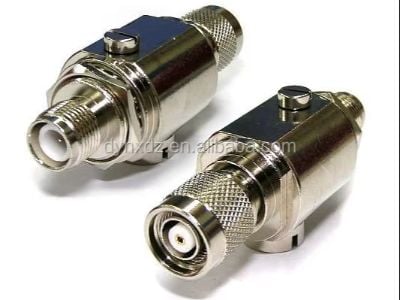
Lightning surge arresters are critical components in antenna and RF communication systems, designed to protect sensitive electronic equipment from voltage spikes caused by lightning strikes or electrical surges. For B2B buyers like purchasing managers, engineers, and product managers, understanding the quality, specifications, and sourcing options for lightning surge arresters is essential to ensure reliable performance and longevity. This article will guide you through evaluating the quality of these devices, finding trusted suppliers, key specifications to consider, sourcing options, and solutions to common operational problems.
How to Evaluate Quality in Lightning Surge Arresters for Antennas?
Evaluating the quality of lightning surge arresters is paramount for ensuring reliable protection in RF communication systems. Key quality indicators include the materials used, design specifications, and compliance with industry standards.
Materials: High-quality surge arresters are typically made from robust materials such as metal oxides or polymers that can withstand high voltage and environmental stress. Ensure that the materials are resistant to corrosion, especially for outdoor applications.
Design Specifications: Look for arresters with a well-defined voltage rating and energy absorption capacity. A surge arrester should be able to handle the maximum expected surge current without failing. Additionally, check the response time; faster devices can divert surges more effectively.
Compliance with Standards: Verify that the surge lightning surge arrester comply with military and international standards, as adherence to these standards is indicative of quality. Certifications such as IEC 61643-11 can be a good benchmark for safety and effectiveness.
Quality Control Processes: A reputable manufacturer will have strict quality control processes in place, including testing under simulated surge conditions. Ask about the testing protocols and any certifications that the product has undergone.
Finding Trusted Sources for Surge Arresters
Finding a reliable supplier for lightning surge arresters is crucial for maintaining the integrity of your RF systems. Here are a few strategies:
Industry Networking: Attend industry trade shows and conferences where manufacturers showcase their products. This not only allows you to see the products firsthand but also offers networking opportunities with suppliers.
Online Research: Utilize online platforms such as industry-specific directories and forums to identify manufacturers who specialize in RF components and surge protection devices. Look for those with positive reviews and a strong reputation in the industry.
Direct Manufacturer Contact: Reach out directly to manufacturers like Dongguan Yuxiang Electronic Technology Co., Ltd., known for their expertise in RF coaxial connectors and cable assemblies. Inquire about their product offerings, customization capabilities, and any existing partnerships with international clients.
Request References: When considering a supplier, ask for references or case studies that demonstrate their product reliability and customer service. This can provide insight into the supplier's performance and reputation.
Key Specifications to Consider for Lightning Surge Arresters
When selecting lightning surge arresters, several key specifications should be evaluated to ensure compatibility with your RF communication systems:
Voltage Rating: The voltage rating indicates the maximum voltage the arrester can handle without failure. Ensure the rating is higher than the maximum operating voltage of your system to provide adequate protection.
Surge Current Capacity: This specification reveals how much current the arrester can safely divert during a surge. Higher capacity arresters are essential for systems exposed to frequent lightning strikes.
Clamping Voltage: This is the voltage level at which the arrester will divert excess voltage to the ground. A lower clamping voltage offers better protection for sensitive equipment.
Response Time: The speed at which the coax lightning arrestor reacts to a surge is critical. A shorter response time means the device can protect your equipment more effectively.
Environmental Ratings: If the arrester will be used outdoors, check its environmental ratings for UV resistance, moisture, and temperature extremes. This ensures longevity and reliability in various conditions.
Where to Source Wholesale Lightning Surge Arresters for Projects?
Sourcing wholesale lightning surge arresters requires consideration of both cost and reliability. Here are some effective methods for obtaining these components at scale:
Bulk Orders from Manufacturers: Establish relationships with manufacturers who can provide wholesale pricing on bulk orders. Companies like Dongguan Yuxiang Electronic Technology Co., Ltd. can offer competitive pricing, especially for large quantities.
Distributors: Partner with distributors who specialize in RF components. They often have established relationships with manufacturers and can provide a range of products along with logistical support.
Online Marketplaces: Utilize B2B platforms like Alibaba or Global Sources to find suppliers who offer wholesale rates. Be sure to verify the supplier's credibility by checking reviews and ratings.
Long-term Contracts: Consider negotiating long-term contracts with suppliers for consistent quality and pricing. This approach can also facilitate better service and responsiveness to your needs.
Solutions to Common Problems with Lightning Surge Arresters in Use
Despite their essential role, lightning surge arresters can encounter issues during operation. Here are common problems and their solutions:
Insufficient Surge Capacity: If an arrester fails frequently, it may not have enough surge capacity. To mitigate this, select an arrester with a higher current rating and ensure it matches the specific demands of your application.
Environmental Damage: Exposure to harsh environmental conditions can degrade performance. Regular maintenance and inspections can help identify any wear or damage. Choose arresters with appropriate environmental ratings for your application.
Improper Installation: Many failures occur due to improper installation. Ensure that installation is carried out according to manufacturer guidelines, paying attention to grounding techniques and connection integrity.
Aging Components: Over time, surge power line lightning arrester can lose effectiveness. Implement a regular schedule for testing and replacement based on the manufacturer's recommendations to ensure optimal performance.
By understanding these facets of lightning surge arresters, B2B buyers can make informed decisions that ensure the safety and reliability of their RF communication systems. With attention to quality, specifications, and sourcing strategies, you can select the right products that meet your operational needs.
Table of Contents
- How to Evaluate Quality in Lightning Surge Arresters for Antennas?
- Finding Trusted Sources for Surge Arresters
- Key Specifications to Consider for Lightning Surge Arresters
- Where to Source Wholesale Lightning Surge Arresters for Projects?
- Solutions to Common Problems with Lightning Surge Arresters in Use