
 EN

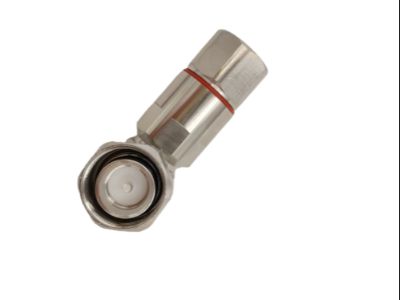
RF coaxial connectors play a crucial role in antenna feeder cable connections, ensuring reliable signal transmission in various applications. As a buyer, understanding the specific requirements, technical specifications, and installation challenges associated with these connectors is vital for making informed purchasing decisions. This article will provide insights into rf coaxial connector, helping you navigate the selection process and address common concerns associated with their use in your projects.
Understanding RF Coaxial Connectors for Your Antenna Projects
RF coaxial connectors are specialized components designed to join coaxial cables, facilitating the transfer of radio frequency signals with minimal loss. These connectors are essential in numerous applications, including telecommunications, broadcasting, and military communications, where performance and reliability are paramount.
When selecting RF coaxial connectors for antenna projects, buyers should consider factors such as frequency range, impedance, and connector type. These elements directly impact the connectors' ability to transmit signals effectively and maintain signal integrity. Additionally, understanding the operational environment—including temperature ranges and exposure to moisture or chemicals—can help ensure that the chosen connectors meet the specific demands of your application.
Choosing the Right RF Coaxial Connectors for Your Applications
Selecting the appropriate RF coaxial connector requires careful consideration of several factors. First, identify the specific application and its requirements, including frequency range and power handling capability. For example, connectors used in high-frequency applications, such as satellite communications, may need to accommodate higher performance standards compared to those used in standard radio applications.
Next, assess the connector types available, such as SMA, N, BNC, or TNC connectors. Each type has unique characteristics that make it suitable for specific applications, including size, ease of installation, and performance metrics. Additionally, consider the materials used in the connectors—such as brass, stainless steel, or aluminum—as they can influence durability and performance.
Lastly, think about potential customization needs. Many manufacturers, including Dongguan Yuxiang Electronic Technology Co., Ltd., offer OEM services that allow buyers to tailor connectors to their specific requirements, such as adjusting dimensions, materials, or finishes.
Technical Specifications of RF Coaxial Connectors Explained
Understanding the technical specifications of RF coaxial connectors is crucial for ensuring compatibility and performance. Key specifications include:
Impedance: Typically, RF connectors come in 50 ohm or 75 ohm configurations. The choice of impedance depends on the application; for instance, 50 ohm connectors are commonly used in telecommunications, while 75 ohm connectors are typically used for video applications. Mismatched impedance can lead to signal reflections and loss.
Frequency Range: Each connector type has a specified frequency range, which defines the operational limits for signal transmission. Selecting a rf coaxial cable connectors that operates effectively within your application's frequency range is vital for optimal performance.
Power Rating: This specification indicates the maximum power the connector can handle without failure. Exceeding this limit can result in overheating or damage, making it essential to match the power rating to your application’s requirements.
Connector Size: Physical dimensions can affect installation ease and space constraints in your designs. Make sure to choose connectors that fit your installation environment while providing the necessary performance.
Common Installation Problems with RF Coaxial Connectors and Solutions
Installation issues can significantly impact the performance of RF coaxial connectors. Here are some common problems and their solutions:
Improper Torque: Over-tightening or under-tightening connectors can lead to mechanical failure or poor signal performance. Always follow the manufacturer’s torque specifications to ensure proper installation.
Misalignment: Misaligned connectors can cause signal loss or degradation. Use alignment tools during installation to ensure connectors are correctly positioned.
Contamination: Dirt, grease, or moisture can interfere with signal quality. Always handle connectors with clean hands and use protective caps until installation. Additionally, check environmental seals to prevent contamination.
Cable Strain: Excessive bending or pulling on cables can cause stress on connectors, leading to damage. Implement strain relief measures to protect connectors from mechanical stress.
Comparing Different Types of RF Coaxial Connectors for Buyers
When evaluating RF coaxial connectors, it's important to compare the various types available based on their characteristics and intended use. Here’s a brief overview of some common connector types:
SMA Connectors: These connectors are compact and suitable for high-frequency applications, making them ideal for wireless communication systems. They offer excellent performance up to 18 GHz.
N Connectors: Known for their robustness, N connectors can handle higher power levels and are often used in outdoor applications due to their environmental sealing capabilities. They are typically used in telecommunications and broadcasting.
BNC Connectors: Commonly found in video applications, BNC connectors are easy to install and detach due to their bayonet coupling mechanism. However, they are generally limited to lower frequency ranges.
TNC Connectors: Similar to BNC connectors but with a threaded coupling mechanism, TNC connectors provide better performance at higher frequencies and are suitable for environments where vibration may be a factor.
When selecting a connector type, consider the specific application requirements, including frequency, power handling, and environmental conditions, to ensure optimal performance and reliability.
In summary, understanding RF coaxial connectors for antenna feeder cable connections is essential for any B2B buyer involved in telecommunications or related fields. By considering the factors outlined, you can confidently select the right rf coaxial connectors for your specific needs while minimizing common installation problems.
Table of Contents
- Understanding RF Coaxial Connectors for Your Antenna Projects
- Choosing the Right RF Coaxial Connectors for Your Applications
- Technical Specifications of RF Coaxial Connectors Explained
- Common Installation Problems with RF Coaxial Connectors and Solutions
- Comparing Different Types of RF Coaxial Connectors for Buyers