
 EN
EN

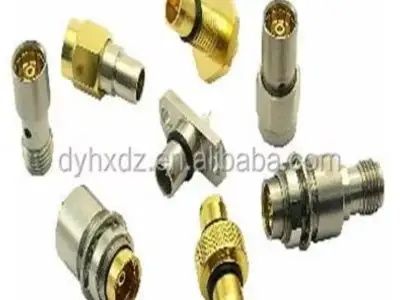
RF coaxial connectors are essential components in antenna transmission systems, enabling effective signal transmission in various applications, from telecommunications to broadcasting. B2B buyers, including purchasing managers, engineers, and product managers, often seek reliable and high-quality RF coaxial connectors to ensure optimal performance in their systems. This article will help you understand the critical aspects of RF coaxial connectors, including how to choose the right ones for your project, identify trusted suppliers, troubleshoot common issues, and explore their application scenarios in the industry
Understanding RF Coaxial Connectors for Antenna Transmission Systems
RF coaxial connectors play a crucial role in antenna transmission systems by facilitating the connection between antennas and radio frequency devices. They are designed to maintain the integrity of the signal while minimizing loss and interference. The primary components of an RF coaxial connector include the inner conductor, dielectric insulator, outer conductor, and connector body
The inner conductor typically carries the RF signal, while the outer conductor acts as a ground shield, protecting the signal from external interference. The dielectric insulator separates the two conductors, ensuring signal integrity. Understanding the specifications of these connectors—such as impedance, frequency range, and power handling capability—is vital for ensuring compatibility with your antenna systems
When selecting RF coaxial connectors, it's important to consider factors such as the frequency of operation, connector type (such as, SMA, N-type, BNC), and environmental conditions (such as, temperature, humidity). For example, connectors used in outdoor applications may require additional sealing to protect against moisture ingress
How to Choose the Right RF Coaxial Connectors for Your Project
Choosing the right RF coaxial connectors involves several key considerations. First, determine the application's requirements, including the frequency range and power levels. The connector must support the specific frequencies used in your system to avoid signal degradation
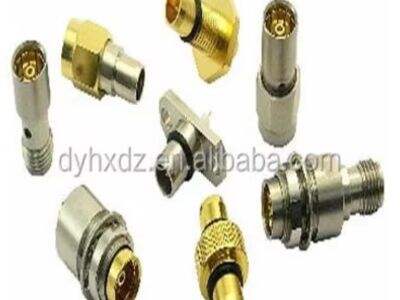
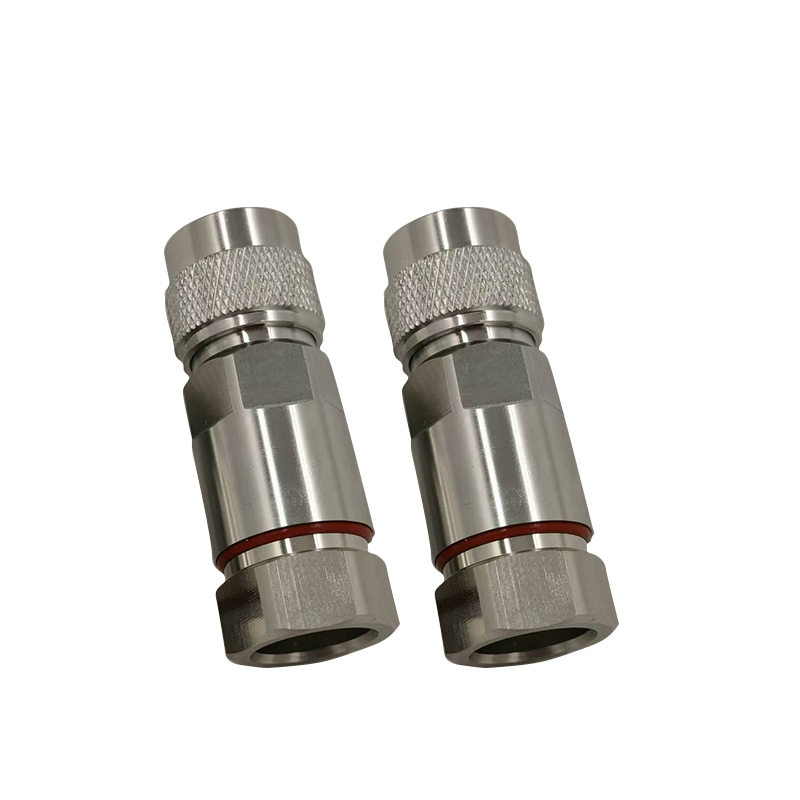
Next, consider the connector type that best fits your needs. Common types include SMA connectors for compact applications, N-type connectors for higher power and frequency stability, and BNC connectors for quick connects and disconnects. Each type has its unique advantages and is suited for different applications
Material selection is another critical factor. RF coaxial connectors are usually made from brass or other conductive metals, with gold or nickel plating for corrosion resistance. Selecting the appropriate material will help ensure durability and performance in your specific operational environment
Lastly, consider customization options. Many manufacturers, including Dongguan Yuxiang Electronic Technology Co., Ltd., offer OEM services that allow you to tailor connectors to your specific requirements, such as custom dimensions or materials
Finding Trusted Suppliers for RF Connectors
Finding a reliable supplier for RF coaxial connectors is essential to ensuring product quality and performance. Start by researching manufacturers with a proven track record in the industry. Look for companies that adhere to military and international standards, as these certifications can indicate a commitment to quality
Evaluate potential suppliers based on their manufacturing capabilities, production equipment, and quality control processes. A trustworthy supplier should have advanced machinery and a rigorous quality assurance system to ensure that every connector meets specified standards
It's also beneficial to check the supplier's export markets and customer reviews. A supplier with experience in global markets is likely to understand various compliance requirements and can provide insights into their product performance across different applications
Lastly, engaging with suppliers directly can provide valuable insights into their capabilities. Ask for samples to assess quality and fit for your application before committing to a larger order
Common Problems with RF Coaxial Connectors and Their Solutions
While RF coaxial connectors are designed for reliability, users may encounter common issues that can affect performance. One of the most prevalent problems is signal loss, which can result from poor connections or mismatched impedance. To mitigate this, ensure connectors are properly installed and tightened to prevent any loose connections
Another common issue is environmental damage, especially in outdoor applications. Connectors can be susceptible to moisture ingress, which may lead to corrosion and signal degradation. Using connectors with adequate sealing and environmental ratings can help prevent this issue
Additionally, pay attention to the torque specifications during installation. Over-tightening connectors can damage the components, leading to performance issues. Always refer to the manufacturer's guidelines for recommended torque levels
Lastly, consider the impact of cable quality. Using inferior cables with your RF coaxial connectors can result in signal loss and interference. Investing in high-quality cables that match the specifications of your connectors is essential for optimal performance
Exploring Application Scenarios for RF Coaxial Connectors in Industry
RF coaxial connectors find applications in various industries, demonstrating their versatility and importance in modern technology. In telecommunications, they are crucial for connecting antennas to base stations, enabling high-frequency signal transmission necessary for mobile communication
In the broadcasting industry, RF coaxial connectors are used in television and radio transmission systems. Their ability to maintain signal integrity over long distances makes them indispensable for reliable broadcasting
Another significant application is in aerospace and defense, where RF connectors must meet stringent military specifications. These connectors are designed to perform reliably in extreme conditions, ensuring uninterrupted communication in critical situations
Additionally, RF coaxial connectors are used in research and development environments, where precise signal transmission is essential for experimental setups. In this context, customization options can provide researchers with the specific configurations needed for their unique applications
Overall, understanding the diverse applications of RF coaxial connectors can guide buyers in selecting the right products for their specific needs, ensuring optimal performance in their respective fields
Table of Contents
- Understanding RF Coaxial Connectors for Antenna Transmission Systems
- How to Choose the Right RF Coaxial Connectors for Your Project
- Finding Trusted Suppliers for RF Connectors
- Common Problems with RF Coaxial Connectors and Their Solutions
- Exploring Application Scenarios for RF Coaxial Connectors in Industry