
 EN
EN

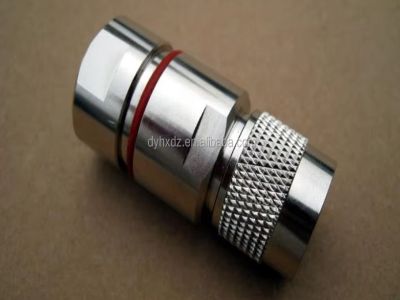
RF coaxial connectors are essential components in high-frequency cable assemblies, designed to ensure reliable signal transmission in various communication applications. For B2B buyers, understanding the quality, specifications, and potential issues with these connectors is crucial when making purchasing decisions. This article delves into evaluating manufacturers, key considerations for buyers, typical applications, common problems, and the material advantages of high-precision rf coaxial connector.
How to Evaluate RF Coaxial Connector Manufacturers?
When selecting a manufacturer for RF coaxial connectors, buyers should consider several key factors. First, assess the manufacturer's experience in the industry, particularly their history of producing high-precision rf coaxial cable connectors that adhere to military and international standards. This experience often translates into a deeper understanding of the technical requirements and challenges involved in manufacturing.
Next, examine the manufacturer’s production capabilities, including the machinery and technology used in the manufacturing process. Advanced manufacturing equipment ensures higher precision and consistency, which are critical for high-frequency applications. Buyers should also inquire about the manufacturer's quality control processes, including testing protocols for ensuring that connectors meet established performance specifications.
Finally, consider the manufacturer’s certifications and compliance with industry standards. Certifications such as ISO 9001 can indicate a commitment to quality management. Additionally, buyers should evaluate the manufacturer's ability to provide OEM services, which can be vital for businesses requiring customized solutions.
What Buyers Should Know?
Buyers of RF coaxial connectors should familiarize themselves with several important specifications. Key specifications include impedance, frequency range, and connector material. Impedance, typically 50 or 75 ohms, affects signal integrity, while the frequency range indicates the operational limits of the connector. Ensure that the connectors chosen align with the application’s specific frequency needs to avoid signal loss or degradation.
Material selection is also crucial. Connectors made from high-quality metals such as brass or stainless steel typically provide better durability and conductivity. Buyers should avoid lower-grade materials that may compromise performance, especially in harsh environments.
Additionally, it's important to consider the lead time and minimum order quantity (MOQ) when placing orders. These factors can significantly impact project timelines and budgets. Buyers should provide clear specifications, including dimensions and any customization needs, when requesting quotations to facilitate accurate pricing and delivery estimates.
Applications of RF Coaxial Connectors in High-Frequency Environments
RF coaxial connectors find extensive use in various high-frequency applications. In telecommunications, these connectors are critical in devices such as antennas, base stations, and satellite systems, where signal integrity is paramount. Their ability to effectively transmit high-frequency signals makes them ideal for use in 4G and 5G networks, as well as in broadcasting and RF testing equipment.
In military and aerospace applications, RF connectors must meet stringent durability and reliability standards. They are used in radar, satellite communications, and electronic warfare systems, where performance can be a matter of mission success. The connectors must withstand extreme environmental conditions, including temperature fluctuations and mechanical stress.
In industrial applications, RF coaxial connectors are essential for equipment requiring high-frequency signal transmission, such as RF power amplifiers and testing instruments. Their robust design ensures consistent performance in demanding environments, which is vital for maintaining operational efficiency.
Common Problems with RF Coaxial Connectors and Their Solutions
Despite their reliability, RF coaxial connectors can present several common issues. One frequent problem is poor signal integrity, often caused by inadequate mating or improper installation. To address this, ensure that connectors are correctly mated and that the installation meets the manufacturer’s guidelines.
Another issue is corrosion, particularly in connectors exposed to harsh environmental conditions. Choosing coaxial cable connectors made from corrosion-resistant materials can mitigate this risk. Regular inspections and maintenance can also help identify early signs of wear or damage.
Impedance mismatch is another concern that can lead to signal reflection and energy loss. Buyers should verify that the impedance of the connectors matches the system requirements. Testing equipment can be used to check for mismatches before deploying the connectors in critical applications.
Material Advantages of High-Precision RF Coaxial Connectors Explained
The choice of materials in RF coaxial connectors significantly influences performance and durability. High-precision connectors made from metals like brass, with gold plating on contact surfaces, offer superior conductivity and resistance to corrosion. Gold plating minimizes signal loss and ensures reliable long-term performance, particularly in environments where moisture or contaminants may be present.
Additionally, dielectric materials used in connectors, such as PTFE (Polytetrafluoroethylene), provide excellent insulation properties. These materials help maintain signal integrity by reducing dielectric losses and ensuring consistent performance across a wide frequency range.
For applications requiring flexibility, connectors made with flexible materials can withstand repeated movement without compromising performance. This is particularly crucial for systems in dynamic environments where movement is constant.
Overall, selecting high-precision RF coaxial connectors made from quality materials is essential for ensuring optimal performance and reliability in high-frequency applications. Buyers should weigh the advantages of different materials against their specific application needs, ensuring that the chosen connectors will meet the required performance criteria while providing long-lasting durability.