
 EN
EN

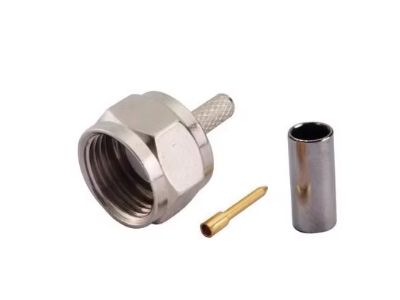
Antenna coaxial cable installation in feeder systems is a critical aspect of ensuring reliable communication in various applications. Selecting the right type of coaxial cable and connectors is essential to meet performance requirements and minimize signal loss. Buyers, including purchasing managers and engineers, often face challenges in evaluating options, understanding specifications, and ensuring quality. This article will provide insights into choosing, evaluating, and sourcing antenna coaxial cables to optimize your installation projects.
What to Consider When Choosing Antenna Coaxial Cables for Installation?
When selecting antenna coaxial cables for installation, several key factors should be considered. First, identify the application requirements, including frequency range and transmission distance. Different coaxial cables are designed to operate efficiently within specific frequency bands, so matching the cable to your application is vital. Next, consider the cable's impedance, which is typically 50 ohms for most RF applications. Mismatched impedance can lead to signal reflections and loss, affecting overall system performance. Additionally, evaluate the cable's attenuation characteristics this refers to the signal loss over distance. Lower attenuation ret control cable are recommended for longer runs to maintain signal integrity. Material selection also plays a significant role. The outer jacket material must be durable enough to withstand environmental conditions if installed outdoors. Common materials include PVC and LSOH (Low Smoke Zero Halogen), each offering different levels of protection against moisture and UV exposure. Finally, ensure compatibility with connectors and other components in your feeder system. Understanding the specific requirements for connectors, such as type and size, will help ensure a seamless installation.
How to Evaluate the Quality of Antenna Coaxial Cables for Your Projects?
Quality evaluation of antenna coaxial cables is essential to ensure reliable performance. When assessing cables, start with the manufacturer’s specifications and certifications. Look for compliance with military and international standards, as these indicate adherence to rigorous quality control processes. A critical aspect of quality assessment is checking the cable's construction. Inspect the dielectric material, which impacts performance characteristics. High-quality coaxial cable assembly often use foamed polyethylene or Teflon, which can enhance signal performance and reduce attenuation. Conduct physical inspections of connectors as well. Ensure they are made from high-quality materials like brass or stainless steel to prevent corrosion and maintain connectivity. The manufacturing process should also be scrutinized; precision machining and assembly are vital for ensuring that connectors fit securely and perform reliably. Additionally, request samples for testing under actual operating conditions. This step allows you to evaluate the cable’s performance in your specific environment, helping identify any potential issues before mass production.
Cost Savings on Antenna Coaxial Cable Supplies
Cost efficiency is a major concern for businesses when sourcing antenna coaxial cables. To achieve significant savings, consider bulk purchasing options. Many suppliers, including Dongguan Yuxiang Electronic Technology Co., Ltd., offer discounts for larger orders, reducing the unit price. Another avenue for cost savings is evaluating the total cost of ownership rather than just the purchase price. Selecting high-quality cables may have a higher upfront cost but can lead to lower maintenance and replacement costs over time due to their durability and performance reliability. Additionally, consider the impact of installation costs. coaxial cable connector assembly that are easier to install or require fewer connectors can save labor costs. Investing in training for your installation team can also improve efficiency and reduce errors during installation. Lastly, maintaining a close relationship with a trusted supplier can lead to better pricing and support in the long run. Regularly discussing your needs and challenges with them can help identify areas for potential savings.
Technical Specifications You Need for Antenna Coaxial Cable Systems
Understanding the technical specifications of antenna coaxial cables is crucial for optimal system performance. Key specifications include:
Impedance: As mentioned earlier, ensure you choose cables with the correct impedance (typically 50 ohms) for your application.
Attenuation: This is measured in dB per 100 meters and indicates how much signal loss occurs over distance. Lower values are preferable for long installations.
Velocity of Propagation (VP): This specification indicates the speed at which the signal travels through the cable compared to the speed of light. Higher VP values mean faster signal transmission.
Operating Temperature Range: Ensure the cable can withstand the environmental conditions it will be exposed to, including temperature extremes and exposure to moisture.
Bend Radius: This is crucial for installation; cables must be able to bend without damaging the internal structure. Check the manufacturer's recommendations for the minimum bend radius.
Before finalizing your order, confirm these specifications with your supplier to ensure compatibility with your system requirements.
Where to Source Reliable Antenna Coaxial Cables for Wholesale Buying?
Sourcing reliable antenna coaxial cables involves identifying reputable manufacturers and suppliers. Start by researching companies with established expertise in RF coaxial connectors and cable assemblies, such as Dongguan Yuxiang Electronic Technology Co., Ltd. They have experience in adhering to military and international standards, which is a strong indicator of quality. When evaluating suppliers, consider their manufacturing capabilities, including production equipment and quality control processes. A supplier with modern machinery and stringent quality checks is more likely to provide consistent, high-quality products. Also, inquire about their customization capabilities. Many projects require specific lengths, connectors, or materials, so a supplier that can accommodate custom orders can streamline your procurement processes. Finally, check customer reviews and case studies related to the supplier’s previous work. This feedback can provide insights into their reliability, product quality, and customer service, helping you make an informed decision. By focusing on these aspects, you can ensure that your antenna coaxial cable installation in feeder systems is successful and meets the necessary standards for performance and durability.
Table of Contents
- What to Consider When Choosing Antenna Coaxial Cables for Installation?
- How to Evaluate the Quality of Antenna Coaxial Cables for Your Projects?
- Cost Savings on Antenna Coaxial Cable Supplies
- Technical Specifications You Need for Antenna Coaxial Cable Systems
- Where to Source Reliable Antenna Coaxial Cables for Wholesale Buying?