
 EN

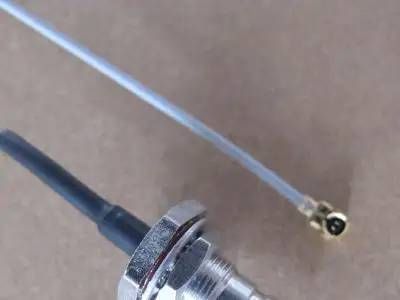
Antenna coaxial cables for RF signal transmission systems are critical components that ensure efficient communication in various applications, from telecommunications to military operations. When selecting these cables, B2B buyers often prioritize factors such as performance reliability, material quality, and compliance with industry standards. This article aims to provide a comprehensive overview of what to consider when choosing antenna coaxial cables, pricing strategies for wholesale purchases, evaluating supplier reliability, material advantages, and key product attributes to look for
What to Consider When Choosing Antenna Coaxial Cables for RF Systems
When selecting antenna coaxial cables for RF signal transmission systems, several factors should be assessed to ensure optimal performance. First, consider the cable's impedance, typically 50 or 75 ohms, which must match the system's requirements to minimize signal loss and reflections. Additionally, the cable length is crucial; longer cables may introduce more loss, so it's essential to balance distance with signal integrity
The material of the cable, including the dielectric and shielding, plays a vital role in performance. For instance, cables with low-loss dielectric materials can significantly enhance signal quality, especially in high-frequency applications. Shielding effectiveness should also be checked; cables with higher shielding effectiveness can better protect against electromagnetic interference (EMI), which is particularly important in environments with multiple signal sources
Furthermore, it is advisable to evaluate the cable's temperature and environmental ratings. Depending on the application, cables may need to endure extreme temperatures or exposure to moisture and chemicals. Ensuring that the selected cables can withstand these conditions will enhance their longevity and reliability
Wholesale Pricing Strategies for Antenna Coaxial Cable Purchases
When purchasing antenna coaxial cables in bulk, understanding pricing strategies can lead to significant cost savings. One effective approach is to leverage volume discounts. Many manufacturers, including Dongguan Yuxiang Electronic Technology Co., Ltd., offer tiered pricing based on order quantity, allowing buyers to negotiate better rates as their order size increases
Additionally, it's crucial to consider the total cost of ownership rather than just the upfront price. Factors such as shipping costs, lead times, and potential quality issues can impact the overall expenditure. For instance, while cheaper cables may seem appealing initially, hidden costs due to higher failure rates or shorter lifespans can negate any perceived savings
Buyers should also explore options for long-term contracts or agreements that might secure favorable pricing over time. Establishing a reliable purchasing relationship with a supplier can often lead to better rates and more favorable terms, such as flexible payment options or priority production scheduling
How to Evaluate Supplier Reliability for RF Cable Components
A reliable supplier is essential for ensuring consistent quality and timely delivery of antenna coaxial cables. Start by assessing the supplier's reputation in the industry. This can be done through research, including reviews from other clients and industry references. Certifications that adhere to international standards can also indicate a commitment to quality
Next, investigate the supplier's manufacturing capabilities. Understanding their production processes, equipment, and quality control measures can provide insight into their reliability. A supplier that utilizes advanced manufacturing techniques and has rigorous testing protocols is more likely to deliver high-quality products
Additionally, communication plays a significant role in supplier reliability. A responsive supplier that provides clear and timely updates throughout the purchasing process can alleviate concerns and foster a strong business relationship. It’s beneficial to request samples or prototypes before placing bulk orders to evaluate the product quality firsthand
Material Advantages of Antenna Coaxial Cables for RF Applications
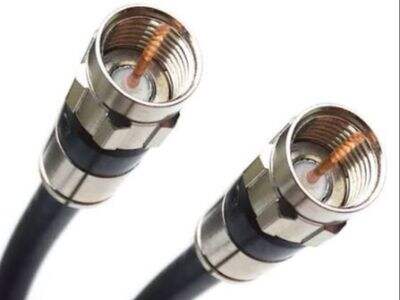
The materials used in antenna coaxial cables significantly impact their performance and suitability for various RF applications. For instance, cables made with polyethylene (PE) or foam dielectric materials typically offer low signal loss, making them ideal for high-frequency applications. In contrast, PVC (polyvinyl chloride) or rubber may be used for environments requiring flexibility and durability
The outer conductor is another critical component; copper and aluminum are common choices. Copper provides excellent conductivity and lower attenuation, while aluminum is lighter and more cost-effective. However, the choice between these materials should depend on the specific application requirements, including cost constraints and desired performance characteristics
Moreover, the cable's jacket material contributes to its durability. Jackets made from materials like PVC or TPE (thermoplastic elastomer) offer protection against abrasion, moisture, and UV exposure, ensuring that the cable remains functional over its intended lifespan. Buyers should consider these material advantages in the context of the environmental conditions and application demands
What to Look For
When evaluating antenna coaxial cables for RF signal transmission systems, several key attributes should be prioritized. First, verify the specifications, including impedance, frequency range, and attenuation loss. Ensure that these align with your system requirements to guarantee optimal performance
Another critical aspect is the cable’s compliance with relevant industry standards. Look for certifications that indicate adherence to military or telecommunications standards, as these can assure quality and reliability. Additionally, inquire about the manufacturer’s quality control processes, such as testing protocols and inspection procedures, to ensure consistency in production
Finally, consider customization options if your application has unique requirements. Many manufacturers, including Dongguan Yuxiang Electronic Technology Co., Ltd., offer tailored solutions to meet specific performance needs, such as unique lengths, connector types, or shielding configurations. This flexibility can enhance the product's suitability for your specific application
In summary, the selection of antenna coaxial cables for RF signal transmission systems involves careful consideration of technical specifications, material advantages, supplier reliability, and strategic purchasing approaches. By understanding these factors, B2B buyers can make informed decisions that enhance the performance and reliability of their RF systems