
 EN
EN

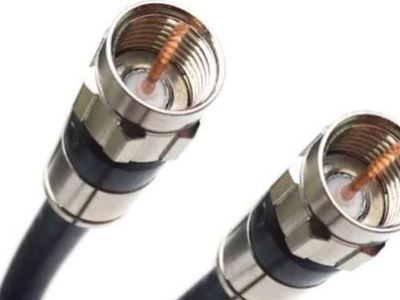
Maintaining signal quality is crucial in various applications, and low loss coaxial cable plays a significant role in achieving this. These cables are designed to minimize signal attenuation, ensuring reliable performance in communication systems. B2B buyers, including purchasing managers and engineers, often seek information on the specifications, sourcing, costs, potential issues, and applications of low loss coaxial cables. This article will provide valuable insights to help you make informed purchasing decisions
What Specifications to Consider When Sourcing Coaxial Cables
When sourcing low loss coaxial cables, several specifications require careful consideration to ensure optimal performance. Key factors include
Impedance: Coaxial cables typically come in 50-ohm or 75-ohm variants. Selecting the correct impedance is crucial for minimizing signal reflections and maximizing transmission efficiency. Mismatched impedance can lead to signal loss and degradation in performance
Dielectric Material: The type of dielectric material affects the cable's capacitance and insulation. Common materials include polyethylene and Teflon. Each material has different dielectric constants that influence signal velocity and loss. For high-frequency applications, low-loss dielectrics such as foam dielectric are often preferred
Shielding: Effective shielding is essential for protecting the signal from external interference. Look for cables with double or triple shielding to ensure optimal signal integrity, especially in environments with significant electromagnetic interference (EMI
Cable Diameter and Weight: The physical dimensions of the cable can impact installation and handling. Ensure the cable diameter is compatible with existing connectors and equipment, and consider the weight for overhead installations
Temperature and Environmental Ratings: Confirm that the cable can withstand the environmental conditions of your application, such as operating temperature ranges and exposure to moisture or chemicals
By focusing on these specifications, buyers can ensure that their selected coaxial cables meet the performance and reliability demands of their specific applications
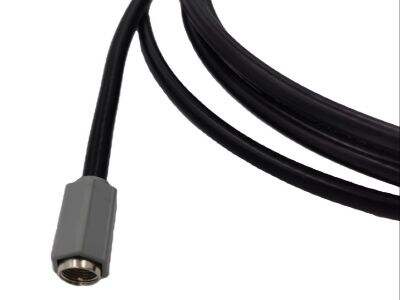
Where to Find Reliable Suppliers for Low Loss Coaxial Cables
Finding reliable suppliers for low loss coaxial cables is essential for ensuring quality and performance. Here are effective strategies for identifying trustworthy manufacturers
Industry Associations and Trade Shows: Participate in industry events and trade shows where manufacturers exhibit their products. This provides an opportunity to meet suppliers face-to-face, allowing for direct discussions about specifications, capabilities, and product offerings
Online Marketplaces and Directories: Utilize online platforms that specialize in B2B transactions, such as Alibaba or ThomasNet. These platforms often feature customer reviews and ratings that can help gauge a supplier's reputation
-
Networking: Leverage professional networks and forums related to telecommunications and electronics. Engaging with industry peers can provide recommendations based on their experiences with specific suppliers
Certifications and Compliance: Ensure potential suppliers adhere to relevant industry standards and certifications, such as ISO or RoHS compliance. This can be indicative of a supplier’s commitment to quality and safety
Request Samples: Before committing to a large order, request samples to assess the quality and performance of the coaxial cables. Testing samples in your specific application can help validate their suitability
By employing these strategies, buyers can locate reliable suppliers who meet their specific requirements for low loss coaxial cables
Cost Factors to Consider When Purchasing Low Loss Coaxial Cable
When purchasing low loss coaxial cables, understanding the various cost factors can assist in making informed decisions. Some key elements to consider include
Material Costs: The choice of materials, including the dielectric and shielding, significantly affects the overall price. Higher-quality materials typically lead to better performance and durability, which can justify a higher initial investment
Manufacturing Processes: The complexity of the manufacturing process, including the precision of the cable assembly and connector integration, can influence costs. Manufacturers with advanced production capabilities may offer higher-quality products that perform better in demanding applications
Quantity Discounts: Many suppliers offer bulk pricing or discounts for larger orders. It’s important to evaluate your needs accurately, as overestimating can lead to excess inventory and wasted resources
Customization Requirements: Customizing cable lengths, connectors, or shielding options can increase costs. Buyers should clearly define their requirements to avoid unexpected price increases during the sourcing process
Shipping and Handling: Consider shipping costs and delivery timelines when budgeting for purchases. Suppliers located closer to your facilities may offer lower shipping rates and faster delivery times, which can be crucial for timely project execution
By accounting for these factors, buyers can better assess the total cost of ownership and make informed purchasing decisions for low loss coaxial cables
Common Problems with Coaxial Cables and Their Solutions
Understanding common problems associated with coaxial cables can help buyers avoid pitfalls and ensure long-term reliability. Here are some prevalent issues and their respective solutions
Signal Loss: Signal degradation can occur due to improper termination or cable length. To mitigate this, ensure that cables are properly terminated and kept within recommended lengths to reduce attenuation and maintain signal quality
Interference: External electromagnetic interference can disrupt signal transmission. Utilizing cables with adequate shielding can help protect against interference. Additionally, maintaining a proper distance from sources of EMI during installation is vital
Physical Damage: Coaxial cables may be susceptible to physical damage during installation or operation. Employing protective conduits or covers, especially in high-traffic areas, can help prevent wear and tear
Connector Issues: Poorly manufactured or incompatible connectors can lead to connectivity issues. Always verify that connectors match the specifications of the cables and that they are assembled correctly
Environmental Factors: Exposure to extreme temperatures, moisture, or chemicals can compromise cable integrity. Selecting cables with appropriate environmental ratings ensures that they can withstand specific application conditions
By being aware of these common issues and implementing preventive measures, buyers can enhance the reliability and longevity of their coaxial cable installations
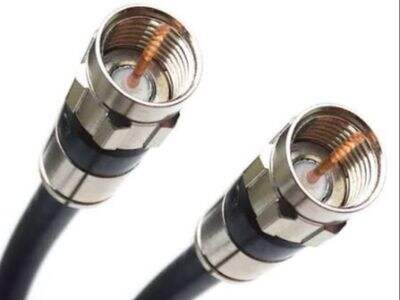
Applications of Low Loss Coaxial Cable in Industrial Settings
Low loss coaxial cables are widely used in various industrial applications, where maintaining signal quality is critical. Some common applications include
Telecommunications: In telecommunications networks, low loss coaxial cables are essential for connecting antennas, base stations, and other equipment. Their ability to transmit signals over long distances with minimal loss is crucial for maintaining communication quality
Broadcasting: In radio and television broadcasting, these cables are used to connect transmission equipment to antennas, ensuring that signals are delivered clearly and efficiently
Test and Measurement Equipment: Low loss coaxial cables are commonly employed in testing and measurement applications, where precise signal integrity is necessary for accurate readings and diagnostics
Industrial Automation: In manufacturing environments, low loss coaxial cables facilitate communication between sensors, controllers, and actuators, enabling seamless operation of automated systems
Military and Aerospace: Adhering to strict military standards, low loss coaxial cables are used in defense and aerospace applications where reliable performance is critical under challenging conditions
By understanding the diverse applications of low loss coaxial cables, buyers can make informed decisions that align with their specific operational needs
Table of Contents
- What Specifications to Consider When Sourcing Coaxial Cables
- Where to Find Reliable Suppliers for Low Loss Coaxial Cables
- Cost Factors to Consider When Purchasing Low Loss Coaxial Cable
- Common Problems with Coaxial Cables and Their Solutions
- Applications of Low Loss Coaxial Cable in Industrial Settings