
 EN
EN

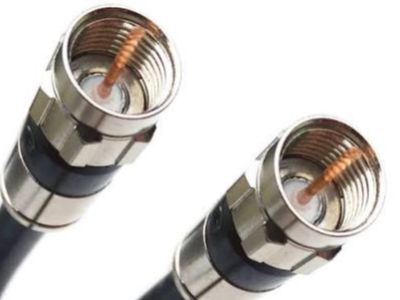
Understanding signal attenuation factors in low loss coaxial cable is crucial for engineers and purchasing managers seeking optimal performance in communication systems. Signal attenuation refers to the reduction in signal strength as it travels through the cable, which can significantly impact the effectiveness of data transmission. B2B buyers often have concerns about the specifications, quality, and application suitability of coaxial cables. This article will explore the key factors affecting signal attenuation, guide you in selecting the appropriate low loss coaxial cable for your projects, and address common issues that may arise during use
Understanding Signal Attenuation in Low Loss Coaxial Cable
Signal attenuation in low loss coaxial cables is primarily influenced by the cable's materials, structure, and environmental conditions. The attenuation is measured in decibels per 100 meters (dB/100m) and is affected by factors such as frequency, cable diameter, and the dielectric material used. Low loss coaxial cables are designed to minimize these losses, making them ideal for applications requiring high-frequency signal transmission, such as telecommunications and broadcasting
The primary contributors to signal attenuation include
Dielectric Loss: This occurs when the dielectric material (the insulating layer between the inner conductor and the outer shield) absorbs energy. Materials with lower dielectric loss, such as foamed PTFE, are preferred as they reduce overall attenuation
Conductor Loss: The resistance of the conductors impacts signal strength. Using high-quality materials like copper or silver for the inner conductor can help minimize these losses
Radiation Loss: This is the loss of signal energy through the cable's outer shield. A properly designed shield can prevent radiation losses, which is crucial at high frequencies
Buyers should consider these factors when evaluating coaxial cables for their specific applications, as they directly affect performance and reliability
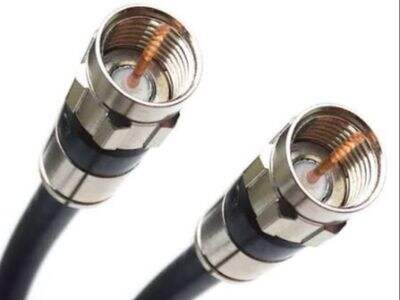
How to Choose Low Loss Coaxial Cable for Your Projects
Selecting the right low loss coaxial cable involves understanding your project's requirements and evaluating the specifications that matter most. Here are key considerations
Frequency Range: Determine the frequency range of your application. Low loss cables are designed for specific frequency ranges, and using a cable not rated for your frequency can lead to increased attenuation
Impedance Matching: Ensure the cable's impedance matches your system (commonly 50, 75, or 93 ohms). Mismatched impedance can result in signal reflections and losses
Environmental Conditions: Consider the installation environment. If the cable will be exposed to harsh conditions (extreme temperatures, moisture), select a cable with appropriate environmental ratings and protective jackets
Length of Cable Run: Longer cable runs typically experience more signal loss. When planning your installation, factor in the length and choose a cable with lower attenuation to maintain signal integrity
Customization Needs: If your project has unique requirements, such as specific lengths or connectors, confirm with your supplier about customization options. Dongguan Yuxiang Electronic Technology Co., Ltd. specializes in custom cable assemblies, which can be tailored to meet specific project demands
By taking these factors into account, you can select a low loss coaxial cable that meets your performance and application needs
Key Specifications of Low Loss Coaxial Cable Explained
Understanding the specifications of low loss coaxial cables is essential for making informed purchasing decisions. Here are the critical specifications to consider
Attenuation Rate: Measured in dB/100m, this indicates how much signal strength is lost over distance. Lower values are preferable, particularly for high-frequency applications
Conductor Material: Copper is common, but silver-plated options offer better conductivity and lower resistance. The choice of material affects both performance and cost
Dielectric Material: The type of dielectric influences signal loss. Foamed PTFE and polyethylene are popular choices, with foamed PTFE providing lower dielectric loss
Shielding Type: Cables may feature single or double shielding. Double shielding offers better protection against external interference, which is crucial for maintaining signal integrity in noisy environments
Bend Radius: This specification indicates how tightly the cable can be bent without affecting performance. A smaller bend radius can ease installation, especially in tight spaces
When evaluating low loss coaxial cables, ensure that these specifications align with your project's requirements to maximize performance and reliability
Evaluating Quality Factors in Low Loss Coaxial Cable
When it comes to purchasing low loss coaxial cables, quality is paramount. Here are several factors to consider during your evaluation
Manufacturing Standards: Ensure that the manufacturer adheres to international standards, such as military specifications. This guarantees that the cables meet rigorous quality and performance benchmarks
Quality Control Processes: Inquire about the manufacturer’s quality control measures. Regular testing of materials and finished products can prevent defects and ensure consistency
Certifications: Look for certifications that validate the cable's performance and safety, such as ISO or RoHS compliance. These certifications provide assurance regarding the quality and reliability of the cables
Supplier Reputation: Research the manufacturer's track record in the industry. A reputable supplier, like Dongguan Yuxiang Electronic Technology Co., Ltd., with experience in producing high-precision RF coaxial connectors and cable assemblies, is more likely to deliver reliable products
Customer Feedback: Seek out reviews or testimonials from previous customers. Their experiences can provide valuable insights into the product's performance and the quality of customer service
Common Problems with Low Loss Coaxial Cable and Solutions
Despite their advantages, low loss coaxial cables can present challenges. Here are common issues encountered and potential solutions
Signal Interference: External interference can degrade signal quality. To mitigate this, choose cables with adequate shielding and ensure proper grounding of equipment
Mechanical Damage: Cables may be susceptible to damage during installation or use. Using protective conduits or ensuring proper handling during installation can help reduce the risk of physical damage
Connector Issues: Poorly terminated connectors can lead to increased signal loss. Ensure that connectors are installed correctly, and consider using high-quality connectors that match the cable specifications
Overheating: If the cable is subjected to excessive power, it may overheat, leading to performance degradation. Ensure that the cable is rated for the required power levels and monitor temperatures during operation
Moisture Ingress: In outdoor applications, moisture can permeate the cable, leading to performance issues. Select cables with moisture-resistant jackets and install them correctly to prevent water ingress
Identifying these common problems and implementing these solutions can enhance the reliability and performance of low loss coaxial cables in various applications