
 EN
EN

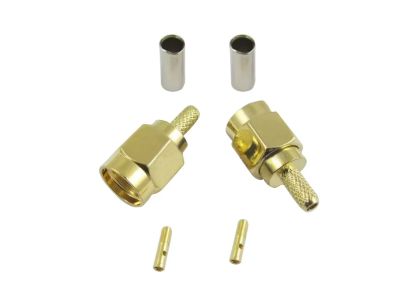
Coax connector interfaces are essential components in RF equipment and antenna cables, facilitating seamless communication in various applications. Buyers often seek reliable solutions that adhere to international military standards, ensuring compatibility and high performance. This article will guide purchasing managers, engineers, and distributors through the key specifications, quality evaluations, cost considerations, and diverse applications of coax connector interfaces, empowering them to make informed purchasing decisions.
Reliable Suppliers for RF Connector Solutions
When selecting a supplier for RF coax connectors, reliability and expertise are paramount. Companies like Dongguan Yuxiang Electronic Technology Co., Ltd. specialize in the research and development of high-precision RF coaxial connectors and cable assemblies, adhering to military international standards. Buyers should prioritize suppliers with proven manufacturing capabilities, quality control processes, and experience in providing OEM services.
It’s important to evaluate a supplier’s production capacity and customization options. A reliable supplier should be able to handle both bulk orders and customized requests, ensuring that they can meet specific project requirements. Additionally, consider their export markets and customer reviews to assess their reputation in the industry. A trusted supplier not only delivers quality products but also provides comprehensive support throughout the purchasing process.
Key Specifications to Consider for Coax Connector Interfaces
Understanding the specifications of coax connector interfaces is crucial for ensuring compatibility and performance. Key specifications to consider include:
Impedance: This is typically 50 ohms for RF applications and should match the connector and cable to minimize signal reflection and loss.
Frequency Range: Ensure that the connectors can operate effectively within the frequency range required for your application.
Connector Type: Various connector types (e. g., SMA, BNC, N-type) are suited for different applications. Compatibility with existing equipment is essential.
Material Quality: The materials used in connectors, such as brass for the body and gold-plated contacts, affect durability, conductivity, and resistance to corrosion.
Buyers should confirm these specifications with their suppliers, as they directly impact the performance and reliability of the RF system. For example, using a connector with an unsuitable impedance can lead to significant signal degradation, resulting in poor system performance.
Evaluating the Quality of RF Equipment and Antenna Cable Connectors
Quality control is critical in the manufacturing of jack rf connector. Buyers should look for suppliers that implement rigorous testing and quality assurance protocols. Key quality factors include:
Testing Procedures: Ensure that the supplier conducts comprehensive tests, including electrical tests (like VSWR and insertion loss), mechanical tests (to assess durability), and environmental tests (to evaluate performance under extreme conditions).
Certifications: Certifications that adhere to international standards, such as ISO 9001, provide assurance of a supplier's commitment to quality management.
Sample Approval: Before committing to a large order, buyers should request samples to evaluate the connectors’ performance under actual operating conditions. This step is crucial for identifying any potential issues before mass production.
By meticulously evaluating quality factors, buyers can mitigate risks associated with product failure or incompatibility, ensuring a reliable RF connection.
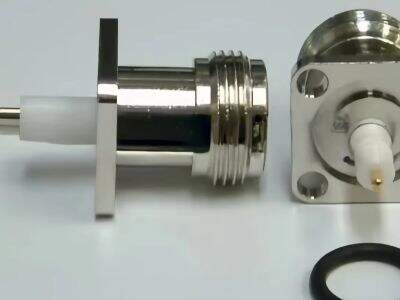
Cost Factors in Bulk Orders of Coaxial Connectors and Cables
Understanding cost factors is essential for making informed purchasing decisions regarding coaxial connectors and cables. Key considerations include:
Material Costs: The choice of materials significantly impacts pricing. High-quality materials may have a higher upfront cost but can result in better performance and longevity, reducing total lifecycle costs.
Customization Needs: Customized connectors may require additional design and manufacturing time, which can affect pricing. Buyers should clearly communicate their requirements to obtain accurate quotes.
Order Quantity: Bulk orders often come with price discounts, but it’s essential to balance the need for inventory with budget constraints. Buyers should analyze their demand to determine optimal order quantities.
In addition to these factors, consider the total cost of ownership, which includes installation, maintenance, and potential replacements. A lower initial cost might not reflect the true value if the product requires frequent replacements or leads to system inefficiencies.
Applications of Coax Connectors in Various Industries and Projects
Coaxial connectors are versatile components used across a range of industries, including telecommunications, aerospace, automotive, and broadcasting. Their functionality varies based on the specific application, some of which include:
Telecommunications: Used in cellular base stations and antennas, coax connectors ensure reliable signal transmission in mobile networks.
Broadcasting: In radio and television broadcasting, these connectors facilitate the transmission of audio and video signals, enhancing broadcast quality.
Military and Aerospace: Coax connectors designed for military applications are built to withstand extreme conditions, ensuring reliable performance in critical situations.
Each application may have specific requirements regarding connector type, material, and performance standards. Buyers should consult with manufacturers to identify the most suitable connectors for their particular projects, considering factors like environmental exposure and operational demands.
In summary, understanding the specifications, quality evaluation, cost factors, and applications of coax connector interfaces is vital for B2B buyers in making informed purchasing decisions. By prioritizing reliable suppliers and focusing on quality and compatibility, purchasing managers, engineers, and distributors can ensure optimal performance in their RF equipment and antenna applications.
Table of Contents
- Reliable Suppliers for RF Connector Solutions
- Key Specifications to Consider for Coax Connector Interfaces
- Evaluating the Quality of RF Equipment and Antenna Cable Connectors
- Cost Factors in Bulk Orders of Coaxial Connectors and Cables
- Applications of Coax Connectors in Various Industries and Projects