
 EN
EN

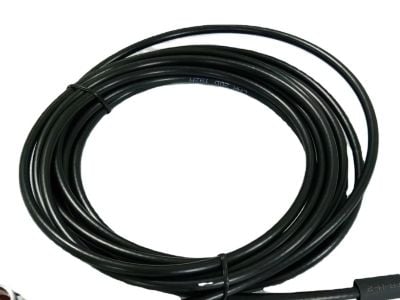
Cable assemblies for coax connectors play a critical role in ensuring high-performance communication systems. These assemblies are essential for transmitting RF signals efficiently while maintaining signal integrity. Buyers in the B2B space, including purchasing managers and engineers, often face concerns regarding specifications, compatibility, and supplier reliability. This article will clarify the key specifications to consider, how to choose quality coax connectors in bulk, how to find reliable suppliers, evaluate cost factors, and address common installation issues with coax connectors.
Key Specifications to Consider for Coax Connector Cable Assemblies
When selecting coax connector cable assemblies, several key specifications are crucial. First, the impedance of the assembly must match the system requirements—commonly 50 or 75 ohms. Mismatched impedance can lead to signal reflections, causing loss of signal integrity. Next, consider the frequency range; the connectors and rf cable assemblies should support the maximum frequency of your application to minimize attenuation.
Another important specification is the connector type, which must be compatible with your existing equipment. Common types include SMA, N-type, and BNC connectors. Additionally, the materials used in the cable assembly, such as copper for conductors and polyethylene or Teflon for insulation, can affect performance. Buyers should also pay attention to the rf coaxial cable connectors shielding effectiveness, which is vital in environments with high electromagnetic interference (EMI).
Lastly, assembly length and flexibility are practical considerations. Too long a cable can introduce unnecessary loss, while extreme flexibility may be required for specific installation environments. Buyers should evaluate these specifications thoroughly to ensure optimal performance in their applications.
How to Choose Quality Coax Connectors for Bulk Orders
Choosing quality coax connectors for bulk orders involves several critical factors. Start by assessing the manufacturer's reputation. Look for established suppliers with a proven track record in producing high-precision RF coaxial connectors. Request samples to evaluate the physical quality and performance of the connectors before placing a bulk order. This can help ensure you receive products that meet your specifications.
Next, consider the certifications and compliance with military and international standards. Connectors that adhere to these standards are generally more reliable and suitable for demanding applications. It's also beneficial to inquire about the manufacturer's quality control processes. A robust quality assurance system can prevent defects and ensure consistent product performance.
Pricing is another vital aspect. While it's tempting to go for the lowest price, consider the total cost of ownership, including potential installation issues or performance failures. Inquire about minimum order quantities (MOQ) and lead times to ensure they align with your project timelines. A supplier who can offer flexibility in these areas may be more advantageous for your business.
Reliable Suppliers for High-Precision Coaxial Cable Assemblies
Finding reliable suppliers for high-precision coaxial cable assemblies requires thorough research. Start by looking for manufacturers specializing in RF coaxial technology, such as Dongguan Yuxiang Electronic Technology Co., Ltd., which focuses on high-precision RF coaxial connectors and rf coaxial cable assembly. Evaluate their manufacturing capabilities, including production equipment and expertise in custom solutions.
Check customer reviews and testimonials to gauge past clients' satisfaction. A good supplier will have experience in diverse applications and a variety of export markets, indicating their ability to meet different industry requirements. Additionally, consider suppliers who can provide OEM services, as this can offer more customization options to meet your specific needs.
It's also crucial to assess their response times and customer service quality. A supplier that communicates effectively and promptly can be invaluable during urgent projects or troubleshooting scenarios. Establishing a strong relationship with a reliable supplier can lead to better pricing, priority service, and enhanced product support over time.
Evaluating the Cost Factors of Coax Connector Cable Assemblies
Understanding the cost factors of coax connector cable assemblies is essential for effective budgeting and procurement. The primary cost drivers include materials, labor, and manufacturing processes. Higher-quality materials may raise initial costs, but they often lead to more reliable performance and lower maintenance costs in the long run. For example, choosing connectors with higher-grade materials may result in better durability and signal integrity.
Labor costs can vary significantly depending on the complexity of the assembly and the skill level required. In regions with higher labor costs, it may be beneficial to evaluate suppliers with automated manufacturing capabilities, which can reduce costs while maintaining quality.
Additionally, consider the costs associated with testing and quality assurance. Suppliers that conduct rigorous testing—such as signal integrity testing and environmental stress testing—may charge more upfront. However, this investment can prevent costly failures and rework in the future. Buyers should also factor in shipping and handling costs, especially for bulk orders, which can impact the overall cost per unit.
Common Installation Issues with Coax Connectors and Solutions
Installations of coax connectors can present several challenges that may affect performance. One common issue is improper torque during installation, which can lead to connector damage and signal loss. It's essential to use torque wrenches set to specified values for each connector type to avoid over-tightening or under-tightening.
Another frequent problem is environmental factors such as temperature fluctuations and moisture exposure, which can affect connector integrity over time. Buyers should ensure that connectors are rated for the specific environmental conditions of their application. For outdoor installations, utilizing connectors with weatherproofing can prevent moisture ingress and corrosion.
Additionally, cable bends and kinks during installation can lead to performance issues. It's advisable to adhere to the manufacturer's guidelines on minimum bend radii to prevent damage. Training installation personnel on proper techniques and providing clear installation documentation can mitigate these common issues.
By addressing these installation challenges proactively, buyers can enhance the reliability and performance of their coax connector assemblies, ensuring they meet the demands of their communication systems.
Table of Contents
- Key Specifications to Consider for Coax Connector Cable Assemblies
- How to Choose Quality Coax Connectors for Bulk Orders
- Reliable Suppliers for High-Precision Coaxial Cable Assemblies
- Evaluating the Cost Factors of Coax Connector Cable Assemblies
- Common Installation Issues with Coax Connectors and Solutions