
 EN
EN

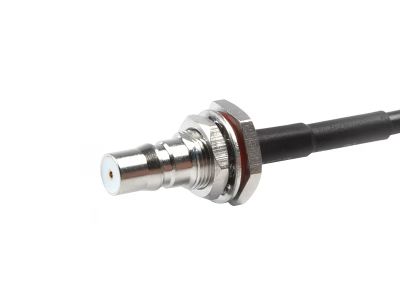
Selecting the right coax connectors is crucial for ensuring reliable RF cable connections in various applications. For B2B buyers, particularly purchasing managers and engineers, understanding the key specifications, sourcing options, installation best practices, and common issues is essential. This article will guide you through these important aspects, helping you make informed decisions when selecting coax connectors for your projects.
Key Specifications to Consider for Coax Connectors in Bulk Orders
When selecting coax connectors, several specifications must be taken into account to ensure optimal performance. Here are the key considerations:
Impedance: Coax connectors typically come in 50 Ohm and 75 Ohm variants. The choice depends on the application; for instance, 50 Ohm connectors are preferred in RF applications, while 75 Ohm connectors are commonly used in video and broadcast equipment. Using the wrong impedance can lead to signal loss and reflection issues.
Frequency Range: Different connectors support different frequency ranges. Ensure that the connectors you choose can handle the frequencies required for your application. For example, smc connectors used in telecommunications should support high frequencies (up to several GHz) to maintain signal integrity.
Material: The materials used in construction affect durability and performance. Brass connectors are common but may require plating (like gold or nickel) for corrosion resistance and improved conductivity. Ensure that the selected material aligns with the environmental conditions it will face, such as moisture or temperature extremes.
Mechanical Strength: Look for connectors with adequate mechanical strength to withstand physical stress, especially in industrial applications. Rating specifications can provide insight into tensile strength and durability.
Quality Control: Confirm that the manufacturer adheres to international standards and has a robust quality control process in place. This ensures that the connectors will perform reliably over time, minimizing the likelihood of failure.
Where to Source High-Quality RF Connectors for Wholesale Purchases?
Sourcing high-quality RF connectors involves identifying reliable manufacturers and suppliers who can meet your specific needs. Here are some strategies:
Industry Trade Shows: Attending industry-specific trade shows allows you to meet suppliers face-to-face, evaluate their products, and discuss your requirements directly.
Established Manufacturers: Look for manufacturers with a solid reputation in the industry, such as Dongguan Yuxiang Electronic Technology Co., Ltd., known for its adherence to military international standards and OEM services. A manufacturer with proven expertise can provide custom solutions tailored to your needs.
Online Marketplaces: Platforms like Alibaba or ThomasNet can help you find a variety of suppliers. Ensure to check reviews and request samples before placing bulk orders.
Certification Verification: Verify that potential suppliers have the necessary certifications (like ISO) to ensure compliance with quality standards. This is crucial for applications where reliability is paramount.
Requesting Samples: Before committing to bulk orders, request samples to assess the quality and performance of the connectors. This step can prevent costly mistakes later on.
Best Practices for Installing Coax Connectors in Industrial Settings
Proper installation of coax connectors is vital for ensuring reliable performance. Here are some best practices to consider:
Preparation of Cables: Ensure that the cable ends are properly stripped and prepared according to the connector specifications. A clean and accurate cut can prevent signal loss and ensure a secure connection.
Using the Right Tools: Employ the appropriate tools, such as crimping tools or soldering irons, for the specific type of connector. Using incorrect tools can lead to improper connections, which may result in performance issues.
Testing Connections: After installation, test the connections with a network analyzer or cable tester. This step helps identify any potential issues before deploying the system, ensuring that it operates as intended.
Environmental Considerations: In industrial settings, consider environmental factors such as humidity and temperature. Use connectors with adequate sealing or weatherproofing to protect against these elements.
Documentation: Maintain thorough documentation of the installation process, including any modifications made and the specifications of the connectors used. This can be helpful for future maintenance or troubleshooting.
Common Problems with RF Cable Connections and Their Solutions
Several issues can arise with RF cable connections, leading to performance degradation. Here are some common problems and solutions:
Signal Loss: This can occur due to improper connector selection, poor installation, or cable damage. To mitigate this, ensure that the connectors are compatible with the cable type and are installed correctly. Regular inspections can help identify damaged cables before they become a problem.
Intermittent Connections: Often caused by loose connectors or poor soldering, intermittent connections can be frustrating. Regular maintenance and tightening of connections, along with ensuring proper crimping or soldering techniques, can help maintain a stable connection.
Reflection Issues: Mismatched impedance can lead to signal reflections that degrade performance. Ensure that all components in the RF chain have consistent impedance to minimize reflections.
Environmental Damage: Exposure to harsh conditions can degrade smc female connector over time. Use connectors designed for specific environments, such as outdoor or high-humidity applications, to enhance longevity.
Corrosion: Corrosion can occur if connectors are not made of appropriate materials or are poorly sealed. Selecting connectors with corrosion-resistant plating and ensuring proper sealing can help prevent this issue.
Applications of Coax Connectors in Various Industries and Projects
Coax connectors are widely used across multiple industries due to their reliability and versatility. Here are some key applications:
Telecommunications: In telecommunications, coax connectors are essential for connecting antennas, transmitters, and receivers. They ensure high-frequency signals are transmitted with minimal loss.
Broadcasting: RF connectors are widely used in broadcasting equipment, such as cameras and transmission devices, where signal integrity is critical for high-quality audio and video.
Military and Aerospace: Adhering to strict standards, coax connectors are used in military and aerospace applications, where reliability and durability are paramount. These connectors often undergo rigorous testing to ensure they perform under extreme conditions.
Industrial Automation: In industrial settings, coax smc rf connector play a role in machine-to-machine communication, connecting sensors and control systems to facilitate automated processes.
Medical Equipment: RF connectors are also utilized in medical devices for transmitting data and powering equipment, requiring stringent quality control to ensure safety and reliability.
By understanding these aspects of coax connectors, B2B buyers can make more informed decisions about their RF cable connection needs, ensuring reliability and performance across various applications.
Table of Contents
- Key Specifications to Consider for Coax Connectors in Bulk Orders
- Where to Source High-Quality RF Connectors for Wholesale Purchases?
- Best Practices for Installing Coax Connectors in Industrial Settings
- Common Problems with RF Cable Connections and Their Solutions
- Applications of Coax Connectors in Various Industries and Projects