
 EN
EN

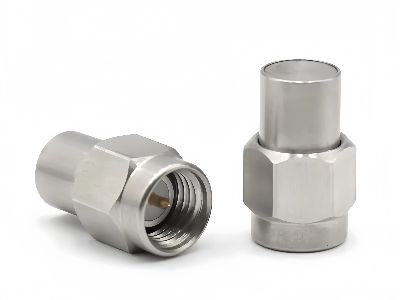
Coax connectors are essential components in high-frequency communication equipment, facilitating the transmission of radio frequency signals with minimal loss. For purchasing managers and engineers in the telecommunications and broadcasting sectors, understanding the nuances of coax connectors used in high-frequency applications is crucial. This article will guide you through the selection process, key specifications, and sourcing considerations, ensuring you make informed decisions for your communication equipment needs.
How to Choose the Right Coax Connectors for High-Frequency Applications?
When selecting coax connectors for high-frequency applications, several factors must be considered. The most critical aspects include frequency range, impedance, and connector type.
Frequency Range: Ensure the connectors can handle the specific frequencies your application requires. Different connectors are designed for various frequency ranges, and using an incompatible connector can lead to signal degradation or loss.
Impedance: Most coaxial systems operate at either 50 or 75 ohms. It's vital to match the impedance of your connectors with your system to minimize reflection and ensure optimal signal transmission.
Connector Type: There are various smc connectors types, such as SMA, N-type, and BNC. Each has its own suitability based on application, size constraints, and performance requirements. For instance, SMA connectors are compact and suitable for high-frequency applications, while N-type connectors are robust for outdoor use.
Understanding these factors will help you choose connectors that meet the performance requirements of your high-frequency communication equipment effectively.
Key Specifications of Coax Connectors for Communication Equipment
When evaluating coax connectors, key specifications that impact performance include:
Material Composition: Connectors made from high-quality materials like brass or stainless steel offer enhanced durability and resistance to corrosion, especially in harsh environments. The choice of plating (gold, nickel, or tin) can also affect conductivity and oxidation resistance.
Mechanical Specifications: Consider specifications such as mating cycles, tensile strength, and insertion loss. Connectors must withstand the rigors of installation and operation without degrading. A connector that can handle a higher number of mating cycles will provide longevity and reliability.
Environmental Ratings: Depending on the application, connectors may need to be rated for specific environmental conditions, such as humidity, temperature, or exposure to chemicals. Ensure the smc female connector meet the required standards for your operating environment.
Electrical Performance: Key performance metrics include return loss and VSWR (Voltage Standing Wave Ratio). High-performance connectors will exhibit low return loss and VSWR, ensuring efficient signal transmission.
By focusing on these specifications, you can select coax connectors that will perform reliably in your high-frequency communication applications.
What Buyers Should Know?
As a buyer, understanding the nuances of coax connectors is crucial for making informed purchasing decisions. Here are essential points to consider:
Customization Needs: Many manufacturers, including Dongguan Yuxiang Electronic Technology Co., Ltd., offer customization options to meet specific application requirements. When seeking quotes, provide detailed specifications, including dimensions, materials, and any necessary customization.
Sample Evaluation: Always request samples before committing to a bulk order. This allows you to assess the connector's physical characteristics and performance in real-world conditions. Ensure that the sample aligns with your application needs.
Supplier Reliability: Evaluate potential suppliers based on their manufacturing capabilities, quality control processes, and adherence to international standards. A reliable supplier will have comprehensive quality assurance measures in place, ensuring that connectors meet the required specifications consistently.
Lead Times and Minimum Order Quantities (MOQs): Clarify lead times and MOQs upfront to align with your project timelines and budgets. Understanding these factors can help prevent delays in your supply chain.
By being informed on these aspects, buyers can make better choices that align with their technical requirements and operational goals.
Where to Source Reliable Coax Connectors for Bulk Orders?
Sourcing reliable coax connectors for bulk orders involves several steps:
Identify Reputable Manufacturers: Look for manufacturers with a strong track record in RF technology and a commitment to quality. Dongguan Yuxiang Electronic Technology Co., Ltd. is an example of a company specializing in high-precision RF coaxial connectors and cable assemblies, adhering to military international standards.
Request Quotes and Compare: Reach out to multiple suppliers to request quotes. Provide them with detailed specifications to ensure accurate pricing. Comparing quotes will help identify the best value for your investment.
Assess Quality Control Processes: Inquire about the quality control processes that manufacturers employ. Reliable suppliers should have robust testing protocols to ensure that smc rf connector meet performance standards before shipping.
Consider Local vs. International Suppliers: Depending on your location and project requirements, consider the benefits of sourcing locally versus internationally. Local suppliers can offer shorter lead times and easier communication, while international suppliers may provide competitive pricing and a broader range of products.
Taking these steps will help ensure that you source high-quality coax connectors that meet your bulk order needs.
Common Problems with Coax Connectors and Effective Solutions
Despite their reliability, coax connectors can present challenges. Here are common issues and their solutions:
Signal Loss: One of the most frequent problems is signal loss due to poor connectors or improper installation. To combat this, ensure that connectors are compatible with your cables and that installation is performed correctly, following manufacturer guidelines.
Corrosion: Connectors exposed to harsh environments may corrode over time, leading to failure. Select connectors with suitable plating and materials for your specific environment, and perform regular maintenance checks.
Mechanical Failure: Connectors can fail due to repeated mating and unmating. Choose connectors with higher mating cycle ratings for applications where frequent connections are necessary.
Misalignment: During installation, connectors must be aligned properly to avoid damage. Train your team on proper installation techniques and use alignment tools if necessary.
By being aware of these common problems and their solutions, you can enhance the reliability and performance of coax connectors in your high-frequency communication systems.