
 EN
EN

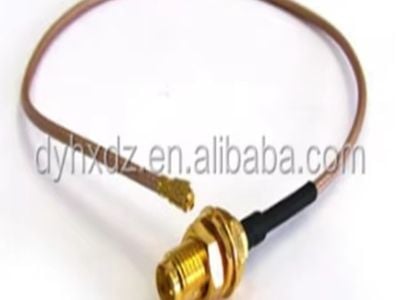
RF coaxial connectors are critical components in establishing reliable high-frequency signal paths, especially in industries such as telecommunications, aerospace, and military applications. As a purchasing manager or engineer, your primary concerns may include ensuring compatibility, material integrity, and performance reliability for your specific application. This article aims to guide you in choosing the right RF coaxial connectors, evaluating their specifications, understanding cost factors, and providing installation guidance tailored to various applications.
How to Choose the Right RF Coaxial Connectors for Your Project?
Selecting the appropriate RF coaxial connectors involves understanding the specific requirements of your project. Begin by assessing the frequency range and the type of signals you will be transmitting. The rf connectors are designed for various frequency ranges, and using one outside its intended range can lead to signal loss or degradation.
Next, consider the connector type commonly available options include SMA, N-type, and BNC connectors, each with distinct advantages. For example, SMA connectors are known for their compact design and high-frequency performance, while N-type connectors are robust and suitable for outdoor applications. Additionally, think about the environment in which the connectors will be used: factors such as moisture, temperature fluctuations, and physical stress can influence your choice.
Finally, confirm the compatibility of the connector with your existing equipment. This ensures seamless integration and functionality, reducing the risk of operational issues later on.
Evaluating RF Coaxial Connectors
When evaluating RF coaxial connectors, focus on key specifications that influence performance. The most critical factors include impedance, frequency range, and insertion loss.
Impedance is essential because mismatched impedance can lead to signal reflections, which degrade the quality of the communication. Standard impedances for rf coaxial connector are typically 50 ohms for most telecommunications applications and 75 ohms for certain broadcast applications.
Frequency range is another crucial specification. Always check the manufacturer's data sheet to ensure that the connectors can handle the maximum frequency of your application. If your project involves high-frequency signals, using rf cable connector rated for lower frequencies may result in increased insertion loss and reduced signal integrity.
Insertion loss quantifies how much signal is lost due to the connector itself. Lower insertion loss values are preferable as they indicate better performance. Manufacturers like Dongguan Yuxiang Electronic Technology Co., Ltd. provide detailed specifications that can help you compare products effectively.
Understanding the Cost Factors of RF Coaxial Connectors
Several factors affect the pricing of RF coaxial connectors, and understanding these can help you manage your budget effectively. Firstly, the choice of materials plays a significant role. Connectors made from high-quality materials such as brass or stainless steel tend to have higher costs but offer better durability and performance.
Secondly, the complexity of the connector design can influence the price. Custom configurations or specialized connectors designed for specific applications often come with a premium due to the additional engineering and manufacturing processes involved.
Manufacturing volume is another cost factor. Typically, the more units you order, the lower the per-unit price. However, be mindful of the Minimum Order Quantity (MOQ) set by suppliers, as this can vary significantly, impacting your initial investment.
Lastly, shipping and logistics costs should also be considered, especially if you are sourcing connectors from international suppliers. Ensure that you factor in lead times and the possibility of tariffs or import fees when calculating total costs.
Installation Guidance for RF Coaxial Connectors in Various Applications
Proper installation of RF coaxial connectors is crucial for maintaining signal integrity and ensuring long-term performance. Begin by preparing the cable and connector interface. Ensure that all surfaces are clean and free from contaminants, as dirt can impede connection quality.
When attaching connectors, use the correct tools to avoid damaging the components. For example, using a torque wrench is advisable for connectors that require a specific torque to ensure a secure connection without over-tightening, which can lead to physical damage.
In applications involving high-frequency signals, pay particular attention to maintaining the characteristic impedance throughout the installation. This might involve using specialized tools or techniques, such as cable stripping and proper grounding practices, to minimize any impedance mismatches.
After installation, it is advisable to perform a continuity test or check for signal integrity using appropriate testing equipment. This ensures that any installation issues are identified and resolved before the system goes live.
Benefits of Using High-Precision RF Coaxial Connectors in Manufacturing
High-precision RF coaxial connectors offer numerous benefits that can significantly impact manufacturing processes and product performance. These connectors are designed to minimize signal loss and ensure reliable connections, which is crucial in applications where signal integrity is paramount.
One of the key advantages is their ability to operate effectively in extreme environments. High-precision connectors are often built to endure harsh conditions, such as high temperatures or exposure to moisture, making them suitable for military and aerospace applications.
Additionally, using high-precision connectors can enhance the overall efficiency of communication systems. By reducing signal degradation, these connectors enable clearer transmissions and better overall performance, which can lead to improved system reliability.
Moreover, investing in high-precision connectors can reduce maintenance costs. With fewer failures and lower signal loss, the need for frequent repairs or replacements is minimized, providing long-term savings for manufacturers.
selecting the right RF coaxial connectors for reliable high-frequency signal paths involves understanding your project requirements, evaluating connector specifications, and considering cost factors. By following the guidance provided, you can make informed decisions that enhance the performance and reliability of your communications systems.