
 EN
EN

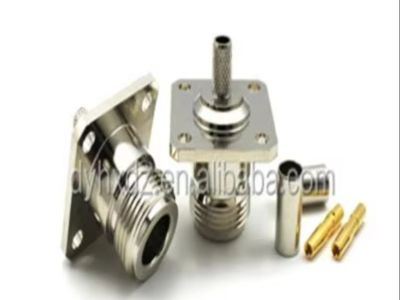
RF coaxial connectors are critical components in various cable assembly applications, particularly within the realm of communications technology. When selecting RF coaxial connectors for cable assemblies, B2B buyers face several concerns, including compatibility, performance specifications, and reliability. This article provides insights into the essential considerations when choosing rf connectors, evaluating their quality, understanding key specifications, sourcing reliable suppliers, and exploring diverse applications across industries.
What to Consider When Choosing RF Coaxial Connectors for Cable Assemblies
Selecting the right RF coaxial connectors for cable assemblies begins with understanding the specific application requirements. Key factors to consider include the frequency range, impedance, and connector type.
Frequency Range: Different RF applications operate at varying frequencies, so it’s essential to choose connectors that can handle the required bandwidth. For instance, connectors used in high-frequency applications must be capable of maintaining signal integrity without significant loss.
Impedance: RF connections typically operate at either 50 ohms or 75 ohms, depending on the application. Mismatched impedance can lead to signal reflections and losses, affecting overall system performance. Buyers should ensure that the impedance of the connectors aligns with the system requirements.
Connector Type: RF coaxial connectors come in various types, including SMA, N-type, BNC, and TNC. Each type has unique characteristics suitable for specific environments and applications, such as outdoor use or high-temperature conditions.
Understanding these elements not only helps in selecting the correct product but also minimizes potential issues during installation and operation.
How to Evaluate the Quality of RF Coaxial Connectors in Bulk Orders?
When purchasing RF coaxial connectors in bulk, quality assurance is paramount to ensure reliability and performance. Here are critical steps for evaluating quality:
Material Specifications: The materials used in the connectors affect their durability and performance. Look for connectors made from high-quality brass or stainless steel, which offer better corrosion resistance and mechanical stability.
Certifications and Standards: Verify that the connectors meet relevant industry standards such as MIL-STD or RoHS compliance. These certifications ensure that the products have undergone rigorous testing and adhere to safety and performance benchmarks.
Testing Procedures: Inquire about the manufacturer's testing protocols. A reputable supplier should perform electrical testing such as VSWR (Voltage Standing Wave Ratio) and insertion loss tests to confirm the connectors meet the specified performance parameters.
Sample Approval: Before committing to a bulk order, request samples to evaluate the rf coaxial cable connectors in real-world conditions. This phase is crucial to confirm that the products meet your expectations in terms of performance and compatibility with your systems.
By implementing these steps, buyers can mitigate risks associated with bulk purchases and ensure they receive high-quality products.
Key Specifications for RF Coaxial Connectors in Cable Assembly Applications
Understanding the key specifications of RF coaxial connectors is vital for ensuring compatibility and performance in cable assembly applications. Here are the most important specifications to consider:
Connector Dimensions: The physical dimensions of the connectors, such as outer diameter and length, impact how they fit into existing systems. Ensure they are compatible with the mating components to avoid any issues during installation.
Operating Temperature Range: Different applications may expose connectors to varying temperatures. Knowing the temperature range is essential for selecting connectors that will operate effectively without degradation.
Mechanical Durability: Look for specifications that detail the mechanical strength of connectors, including mating cycles and pull-out forces. This information helps gauge how well the connectors will perform under physical stress.
Electrical Performance: Specifications such as insertion loss, return loss, and frequency response are critical for ensuring signal integrity. A connector with low insertion loss will help maintain signal strength over long distances, while good return loss indicates minimal signal reflection.
These specifications play a crucial role in determining whether the high power rf connectors will function as required in specific applications.
Where to Source Reliable Suppliers for RF Coaxial Cable Assemblies?
Finding reliable suppliers for RF coaxial cable assemblies requires careful research and evaluation. Here are some strategies for sourcing trustworthy manufacturers:
Industry Directories and Trade Shows: Utilize industry directories and attend trade shows to identify potential suppliers. Engaging directly with manufacturers allows you to ask questions about their products and capabilities.
Online Platforms: Websites like ThomasNet or Alibaba provide listings of manufacturers and suppliers. Pay attention to customer reviews and ratings to gauge the reliability of potential partners.
Ask for References: A reputable supplier should be willing to provide references from previous clients. Contacting these references can give you insights into the supplier’s service quality, product reliability, and delivery timelines.
Evaluate Manufacturing Capabilities: Assess the supplier's manufacturing capabilities, including their production equipment and quality control processes. A supplier with advanced machinery and strict quality standards is more likely to deliver high-quality products.
Local vs. Global Suppliers: Consider sourcing from local suppliers for faster lead times and easier communication. However, global suppliers may offer competitive pricing and a broader range of products.
By taking these steps, buyers can identify suppliers that align with their needs and ensure a successful purchasing experience.
Applications of RF Coaxial Connectors in Various Industries and Scenarios
RF coaxial connectors find applications across a wide range of industries, each presenting unique requirements and challenges. Here are some common applications:
Telecommunications: In telecom infrastructure, RF coaxial connectors are essential for connecting antennas, base stations, and other RF equipment. Their reliability is crucial for maintaining strong signal quality in mobile and broadband networks.
Broadcasting: RF connectors are extensively used in television and radio broadcasting to connect transmission lines to antennas and equipment. The connectors need to ensure minimal loss and high durability against environmental factors.
Military and Aerospace: These connectors must adhere to strict military standards and are often used in communication systems, radar, and electronic warfare applications. They are designed to withstand harsh environments and provide high performance and reliability.
Medical Equipment: In the medical field, RF coaxial connectors are used in diagnostic and imaging equipment. Quality and reliability are paramount, as failures can result in compromised patient safety.
Industrial Automation: RF connectors are also utilized in industrial applications for control systems and sensor connections. Their ability to maintain signal integrity in challenging environments makes them ideal for this sector.
Understanding the diverse applications of RF coaxial connectors helps buyers recognize the importance of selecting connectors tailored to their specific operational needs.
Table of Contents
- What to Consider When Choosing RF Coaxial Connectors for Cable Assemblies
- How to Evaluate the Quality of RF Coaxial Connectors in Bulk Orders?
- Key Specifications for RF Coaxial Connectors in Cable Assembly Applications
- Where to Source Reliable Suppliers for RF Coaxial Cable Assemblies?
- Applications of RF Coaxial Connectors in Various Industries and Scenarios