
 EN
EN

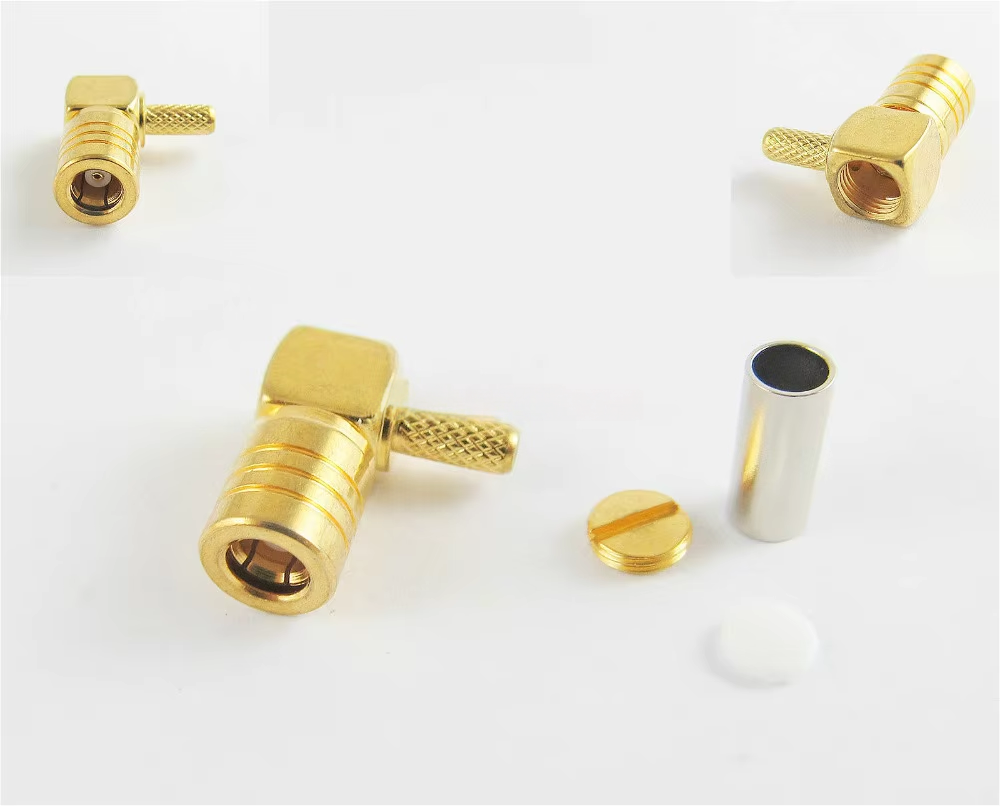
Understanding the mechanical and electrical requirements of RF coaxial connectors is essential for ensuring optimal performance in various applications. As a critical component in telecommunications and broadcasting, RF coaxial connectors must meet stringent standards to ensure signal integrity and reliability. This article addresses key considerations for B2B buyers, including product specifications, material selection, and quality assurance measures, helping you make informed purchasing decisions.
Understanding the Mechanical and Electrical Requirements of RF Coaxial Connectors
RF coaxial connectors are designed to maintain the integrity of high-frequency signals. Their mechanical and electrical requirements are crucial for preventing signal loss and ensuring durability.
Mechanical Requirements: These include connector dimensions, coupling mechanisms, and material strength. Proper dimensions ensure compatibility with cables and components, while robust materials withstand environmental stressors. For instance, a connector made from high-grade brass may provide better durability than one made from lower-quality metal, especially in harsh conditions.
Electrical Requirements: Key electrical parameters include impedance, frequency range, and voltage rating. Standard impedance for RF coaxial connector is typically 50 or 75 ohms, depending on the application. It's vital to match impedance throughout the system to minimize signal reflections and losses. Additionally, connectors must be rated for the appropriate frequency range to avoid performance degradation. Buyers should evaluate these specifications to ensure that the connectors can handle the expected electrical load without failure.
Where to Source Reliable RF Coaxial Connectors for Wholesale
Sourcing RF coaxial connectors for wholesale requires careful consideration of suppliers. Look for manufacturers with a proven track record in the industry, such as Dongguan Yuxiang Electronic Technology Co., Ltd., which specializes in high-precision RF coaxial connectors and adheres to military international standards.
When evaluating suppliers, consider the following:
Certifications: Ensure that the supplier complies with relevant industry standards, which can indicate the quality and reliability of their products.
Customization Capabilities: If your application requires specific dimensions or materials, check if the supplier offers customization options.
Production Capacity: Understanding the supplier's production capabilities can help ensure they can meet your order volume and timeline.
Communication: Establish a clear line of communication for discussing your needs and any potential challenges that may arise during the ordering process.
Evaluating Material Advantages in RF Coaxial Connectors
The choice of materials used in RF coaxial cable assembly significantly impacts performance, durability, and cost. Common materials include brass, stainless steel, and various plastics, each offering distinct advantages:
Brass: Known for its excellent conductivity and mechanical strength, brass connectors are often used in high-performance applications. However, they may require surface treatments to enhance corrosion resistance.
Stainless Steel: This material offers superior corrosion resistance and is ideal for outdoor or harsh environments. It is often more expensive but may reduce long-term maintenance costs.
Plastics: While not as durable as metals, plastic connectors can be lightweight and cost-effective, making them suitable for applications where weight and cost are critical factors.
When selecting materials, consider the specific application requirements, including environmental conditions and expected lifespan. This knowledge helps ensure the selected connectors will perform reliably over time.
A Guide for Buyers
When purchasing RF coaxial connectors, buyers should keep several key considerations in mind to facilitate a smooth procurement process:
Technical Specifications: Clearly define the required specifications, including dimensions, impedance, frequency range, and material preferences. Providing detailed technical drawings can help manufacturers understand your needs accurately.
Minimum Order Quantity (MOQ): Check the supplier's MOQ, which can vary significantly between manufacturers. Understanding this upfront can help manage costs and stock levels.
Lead Time: Inquire about production lead times, especially if you need connectors for a time-sensitive project. Suppliers with established production processes may offer shorter lead times.
Sample Approval: Before placing a large order, request samples to evaluate the connectors' fit and performance in your specific application. Testing samples under actual operating conditions can reveal potential issues before mass production.
Establishing these parameters early in the process can lead to better outcomes and reduce the risk of complications later.
Ensuring Quality in RF Coaxial Connectors
Quality assurance is paramount when dealing with RF connectors coaxial connectors. Various factors come into play to ensure that the connectors meet the required standards:
Quality Control Processes: Reputable manufacturers will implement stringent quality control measures at multiple stages of production. This includes inspections of raw materials, in-process checks, and final testing before shipment. Understanding these processes can provide confidence in the product's reliability.
Testing Protocols: Look for suppliers that perform comprehensive testing, including electrical performance tests (like return loss and insertion loss) and mechanical stress tests. These tests help ensure that the connectors can withstand the rigors of their intended application.
Feedback and Reviews: Seek feedback from other customers regarding their experiences with the supplier's products. Reviews can provide insights into product performance and manufacturer reliability.
By prioritizing quality assurance and understanding the testing processes, buyers can mitigate risks and ensure that they are sourcing connectors that will perform consistently in their applications.
By considering these factors, buyers can navigate the complexities of sourcing RF coaxial connectors and make informed decisions that support their operational needs.