
 EN
EN

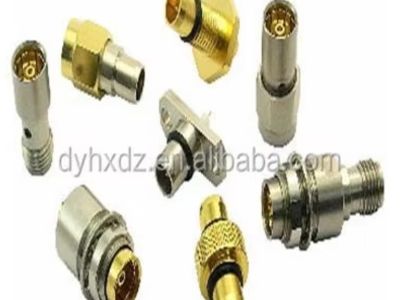
RF coaxial connector interfaces play an essential role in wireless communication systems, ensuring reliable signal transmission while maintaining signal integrity. As the demand for efficient and effective communication solutions increases, purchasing managers and engineers face the challenge of selecting the right components for their projects. This article provides a comprehensive overview of rf coaxial cable connectors, addressing common buyer concerns, cost factors, best practices, applications, and potential issues, empowering professionals to make informed decisions.
Choosing Reliable RF Coaxial Connector Suppliers for Your Projects
When selecting a supplier for RF coaxial connectors, reliability and quality should be top priorities. It’s vital to partner with manufacturers that adhere to military and international standards, ensuring that the connectors can withstand rigorous conditions. Look for suppliers like Dongguan Yuxiang Electronic Technology Co., Ltd., which specializes in high-precision rf coaxial cable assembly connectors and cable assemblies.
Before making a decision, consider the following factors:
Experience and Expertise: Ensure the supplier has extensive experience in manufacturing RF coaxial connectors. They should understand the specific requirements of various applications, including military, telecommunications, and commercial sectors.
Customization Capabilities: Many projects require connectors tailored to specific needs. A supplier that offers customization can help meet unique specifications, whether it involves dimensions, materials, or performance criteria.
Quality Assurance Processes: Evaluate the supplier's quality control measures. This includes testing protocols, certifications, and adherence to international standards, which are crucial for ensuring long-lasting and reliable connectors.
Production Capacity and Lead Times: Assess the supplier's ability to meet your production demands. Understanding their capacity to handle bulk orders efficiently and their lead times will help in planning your projects effectively.
Customer Support: Reliable communication is essential. Choose a supplier that provides excellent customer service, helping to navigate any issues that may arise during the purchasing process.
Understanding the Cost Factors of RF Coaxial Connectors in Bulk Purchases
Cost is a significant consideration when procuring RF coaxial connectors. Several factors influence pricing, particularly when purchasing in bulk:
Materials Used: The choice of materials directly affects costs. High-quality materials may increase the initial purchase price but often result in improved performance and durability. For example, connectors made from corrosion-resistant metals may be more expensive but offer longer life spans.
Production Volume: Bulk orders typically benefit from reduced unit costs due to economies of scale. However, it’s essential to balance the quantity with actual project needs to avoid excess inventory.
Customization: Custom designs or specific performance requirements may incur additional costs. It is crucial to weigh the importance of customization against your budget constraints.
Supplier Relationships: Building a strong relationship with your supplier can lead to better pricing and terms. Regular business can foster negotiation opportunities for bulk orders, reducing overall costs.
Shipping and Handling: Consider the implications of shipping costs, especially for international orders. Opting for local suppliers can minimize these expenses while ensuring faster delivery.
Best Practices
To ensure successful procurement and use of RF coaxial connectors, consider the following best practices:
Request Detailed Specifications: When evaluating products, request comprehensive specifications that detail dimensions, materials, and performance parameters. This information is crucial for making informed comparisons between different suppliers.
Sample Approval: Before committing to a large order, always obtain and test samples under real-world conditions. This step will help confirm that the connectors meet your expectations regarding fit, performance, and reliability.
Documentation: Ensure that you receive all necessary documentation, including data sheets and compliance certifications. This documentation is essential for quality assurance and regulatory compliance in many industries.
Quality Inspections: Implement a rigorous quality inspection process upon receiving shipments. This should include checking for physical damage, verifying specifications, and conducting performance tests as necessary.
Feedback Loop: Establish a feedback mechanism with your supplier to address any issues quickly. Continuous communication can lead to improvements in product quality and service.
Exploring the Applications of RF Coaxial Connectors in Communication
RF coaxial connectors are integral to various wireless communication applications, including:
Telecommunications: Used in cellular base stations, RF coaxial connectors facilitate efficient signal transmission, helping to maintain clear communication between devices.
Military Applications: In defense systems, RF coaxial connectors must withstand extreme conditions. Compliance with military standards ensures reliability in critical operations.
Broadcasting: RF connectors are essential in broadcasting equipment, ensuring quality transmission of audio and video signals over long distances.
Automotive: With the rise of connected vehicles, RF connectors are increasingly used in automotive systems for GPS, navigation, and communications.
Aerospace: In aerospace applications, RF coaxial connectors must meet stringent requirements for weight, durability, and performance in harsh environments.
Understanding these applications can guide purchasing decisions and highlight the importance of selecting the right connector for specific needs.
Common Problems with RF Coaxial Connectors and Effective Solutions
While RF coaxial connectors are designed for durability and reliability, several common issues can arise. Here are some problems and their solutions:
Impedance Mismatch: An impedance mismatch can lead to signal loss and reflections. To address this, ensure that the connectors used match the characteristic impedance of the cable and the equipment.
Mechanical Stress: Excessive bending or pulling can damage connectors. It is essential to install connectors according to manufacturer guidelines and avoid putting stress on the cable.
Corrosion: Environmental factors can lead to corrosion, affecting performance. Selecting connectors with appropriate protective coatings can mitigate this risk.
Poor Connection: Inadequate tightening or misalignment can cause poor connectivity. Regular maintenance checks are advised to ensure connectors remain secure and properly aligned.
Frequency Limitations: Each connector has specific frequency ratings. It’s crucial to choose connectors rated for your application’s frequency range to avoid performance issues.
By understanding these common problems and implementing preventive measures, buyers can enhance the reliability and lifespan of rf coaxial connectors connectors in their systems.