
 EN
EN

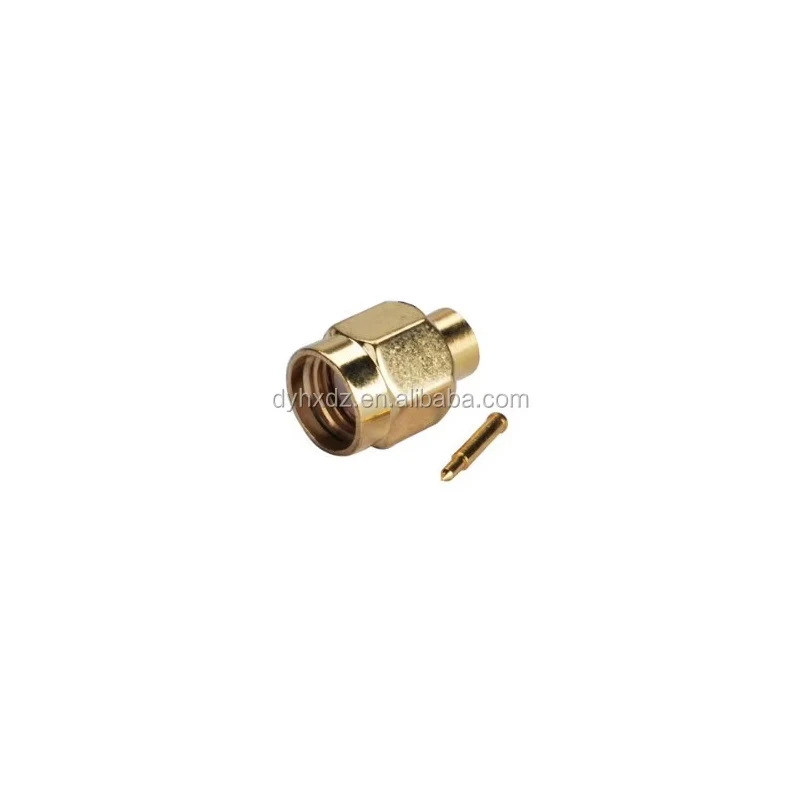
Coax connectors play a critical role in industrial RF and communication applications, facilitating reliable signal transmission across various systems. Selecting the right coax connectors can significantly impact performance, reliability, and overall project success. This article will address key considerations for B2B buyers, including essential specifications, installation guidance, common issues, and the advantages of using high-quality coax connectors. By understanding these factors, purchasing managers, engineers, and product managers can make informed decisions that align with their project needs.
How to Choose the Right Coax Connectors for Your Projects
Choosing the right coax connectors involves evaluating several critical factors based on your specific application requirements. Begin by assessing the connector type that aligns with your system design, such as SMA, N-type, or BNC connectors. Each type has unique characteristics suited for different frequency ranges and environmental conditions.
Next, consider the impedance of your system, typically 50 or 75 ohms, as this affects signal integrity. A mismatch in impedance can lead to signal reflection and loss, impacting overall performance. Additionally, evaluate the frequency range and power handling capabilities to ensure the connectors can handle the operational parameters of your RF systems.
Material selection is also paramount. High-quality materials like brass or stainless steel provide durability and resistance to corrosion, which is especially crucial in industrial environments. Finally, consider the connector's environmental ratings, especially if they will be used in harsh conditions, such as extreme temperatures or high humidity.
Understanding Coax Connector Specifications for Industrial Applications
Understanding coax connector specifications is essential for ensuring compatibility and performance in industrial applications. Key specifications to consider include:
Connector Type: Different types of connectors serve various applications, such as SMA connectors for high-frequency applications and N-type connectors for higher power handling.
Impedance: Commonly 50 ohms for RF applications and 75 ohms for video applications. Selecting the correct impedance is crucial for minimizing signal loss and reflections.
Frequency Range: Ensure the connector can operate effectively within the specified frequency range of your application. For example, connectors rated for DC to 18 GHz may be suitable for various RF systems.
Power Rating: Review the maximum power handling capabilities to prevent damage during operation. This is particularly relevant for systems transmitting high power levels.
Temperature Range: Evaluate the operational and storage temperature ranges to ensure reliability in your application environment.
By understanding these specifications, buyers can ensure they select connectors that meet their technical requirements and avoid compatibility issues.
Installation Guidance for Coax Connectors in RF Applications
Proper installation of SMA coax connector is critical for maintaining signal integrity and preventing performance issues. Begin by preparing the cable ends to ensure clean, accurate terminations. Use appropriate tools for stripping and crimping to avoid damaging the cable and connectors.
Ensure that the connectors are compatible with the cables being used. For instance, when using RG-58 cables, confirm that the selected connectors fit securely and provide a reliable connection. When attaching connectors, apply the correct torque specifications to prevent over-tightening, which can damage the connector or create an unreliable connection.
Additionally, when routing cables, avoid sharp bends and excessive tension that could stress the connectors. Utilize proper cable management techniques to minimize interference and maintain signal quality. Regular inspections of connections can also help identify any wear or damage before it affects system performance.
Common Problems with Coax Connectors and Effective Solutions
Several common issues can arise with coax connectors that may affect performance. Here are a few typical problems and their solutions:
Signal Loss: This often occurs due to improper termination or poor quality connectors. Ensure that connectors are compatible with the cable type and verify that all connections are secure.
Interference: External interference can degrade signal quality. Use connectors with proper shielding and maintain adequate separation from potential interference sources, such as motors or power cables.
Physical Damage: Connectors can be damaged during installation or transport. Always handle with care and consider using protective covers when connectors are not in use.
Corrosion: Environmental factors can lead to corrosion, especially in outdoor applications. Select connectors made from corrosion-resistant materials and consider environmental sealing options for added protection.
By proactively addressing these issues, buyers can maintain optimal performance and extend the lifespan of coax connectors in their systems.
Features and Benefits for Buyers
Investing in high-quality RF connectors coaxial connectors offers several benefits that can enhance the performance and reliability of RF systems. Features to look for include:
High Precision Manufacturing: Connectors produced with high precision ensure better signal integrity and reduced loss, critical for maintaining communication quality.
Robust Materials: Connectors made from durable materials provide longevity and resistance to harsh environmental conditions, ensuring consistent performance over time.
Customization Options: Many manufacturers, including Dongguan Yuxiang Electronic Technology Co., Ltd., offer customization capabilities to meet specific project requirements, ensuring that connectors fit seamlessly into existing systems.
Compliance with International Standards: Adhering to military and international standards not only guarantees quality but also instills confidence in the product's reliability and performance.
By understanding these features, buyers can make informed decisions that align with their operational needs, ensuring they select connectors that offer the best value and performance for their industrial RF and communication applications.