
 EN
EN

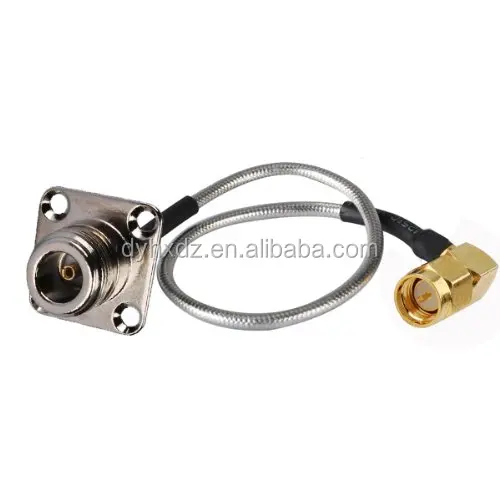
Coax Cable Female to Female connectors are essential components for extending RF equipment connections, ensuring reliable signal transmission in various applications. As a purchasing manager or engineer, your primary concerns often revolve around compatibility, quality, and performance. This article will guide you through the key specifications, selection tips, supplier evaluation, material quality assessment, and bulk ordering considerations for HUAXING sma coaxial cable assembly products.
Key Specifications for Buyers
When evaluating Coax Cable Female to Female connectors, several specifications are crucial for ensuring optimal performance. Key specifications include:
Impedance: Typically, RF coaxial cables come in 50Ω and 75Ω impedances. Matching the impedance with your equipment is essential to minimize signal loss and reflections.
Frequency Range: Ensure the connectors can handle the required frequency range for your application. For instance, if your RF equipment operates at high frequencies, select connectors designed for such ranges to maintain signal integrity.
VSWR (Voltage Standing Wave Ratio): A lower VSWR indicates better performance. It measures how much of the signal is reflected back, affecting overall efficiency. A VSWR value of 1.2:1 or lower is generally acceptable for most applications.
Connector Type: Familiarize yourself with various connector types (eg., SMA, N-type, BNC) to ensure compatibility with your existing equipment.
Material and Construction: Look for connectors made from durable materials like brass or stainless steel with gold or nickel plating to enhance conductivity and corrosion resistance.
Understanding these specifications will help you select the right connectors that meet your operational requirements and ensure efficient RF signal transmission.
How to Choose the Right Coax Cable for RF Equipment Extensions
Selecting the appropriate Coax Cable for extending RF equipment connections involves considering several factors:
Application Requirements: Define the specific application and environment where the cable will be used. For outdoor applications, cables should be weather-resistant and UV-stabilized.
Cable Length: Calculate the necessary length while accounting for any potential signal loss. Longer cables may require lower loss types to maintain signal quality.
Flexibility and Bend Radius: Depending on installation conditions, consider the cable’s flexibility and minimum bend radius. A more flexible HUAXING coaxial cable connector assembly may be necessary for tight spaces or frequent movement.
Shielding: Look for cables with appropriate shielding (such as double shielding) to protect against electromagnetic interference (EMI). This is particularly important in environments with multiple electronic devices.
Connector Compatibility: Ensure that the cable connectors match your RF equipment's requirements, which may require confirming thread type and gender.
By thoroughly assessing these factors, you can choose the right Coax Cable that meets your specific needs while ensuring optimal performance in RF applications.
Reliable Suppliers for Coax Cable Female to Female
Finding a reliable supplier is critical for ensuring the quality and reliability of your Coax Cable Female to Female connectors. Here are some tips for evaluating potential suppliers:
Industry Experience: Look for suppliers with extensive experience in manufacturing RF connectors and cable assemblies. An established supplier like Dongguan Yuxiang Electronic Technology Co., Ltd. offers knowledge in adhering to military international standards.
OEM Capabilities: If you need specific configurations or custom solutions, choose a supplier that offers OEM services. This flexibility can be crucial for specialized applications.
Quality Certifications: Verify that the supplier maintains quality assurance processes, such as ISO certifications. This ensures that their products meet industry standards for performance and reliability.
Customer Reviews and References: Investigate customer feedback and request references to gauge the supplier’s reputation. Positive testimonials can indicate a supplier's reliability and product quality.
Technical Support: Ensure that the supplier provides adequate technical support for product selection, installation guidance, and troubleshooting.
By focusing on these factors, you can select a supplier that meets your quality expectations and contributes to the success of your RF projects.
Evaluating Material Quality in Coaxial Connectors and Cables
Material quality plays a significant role in the performance and durability of Coax Cable Female to Female connectors. Here are key considerations when evaluating materials:
Connector Body Material: Opt for connectors made from high-quality metals like brass or stainless steel. These materials provide excellent conductivity and resist corrosion, which is essential for long-term reliability.
Plating: Look for connectors with a gold or nickel plating finish. Gold plating helps prevent oxidation, ensuring better conductivity and minimizing signal loss over time.
Insulation: The dielectric material used in coaxial cables affects signal transmission. Common materials include polyethylene and Teflon, which offer low loss characteristics and good thermal stability.
Flexibility and Durability: Assess the cable jacket material for flexibility and resistance to wear and tear. Materials such as PVC or rubber can provide adequate protection against environmental factors.
Testing: Inquire about the testing procedures for materials to ensure they meet industry standards. This can include tests for tensile strength, thermal resistance, and environmental durability.
By thoroughly evaluating material quality, you can ensure that the connectors and cables you choose will perform reliably in your specific application.
Coax Cable Female to Female for Bulk Orders
When considering bulk orders of Coax Cable Female to Female connectors, there are several factors to keep in mind:
Minimum Order Quantity (MOQ): Confirm the supplier’s MOQ for bulk orders, as this can vary significantly between manufacturers. This will help you plan your purchasing strategy accordingly.
Pricing Structure: Understand how pricing is affected by order size. Many suppliers offer tiered pricing, where larger orders result in lower unit costs. This can lead to significant savings for bulk purchases.
Lead Time: Discuss lead times for bulk orders, as these can vary depending on the supplier’s production capacity and demand. Ensure that the timeline aligns with your project requirements.
Packaging and Shipping: Inquire about packaging methods and shipping options. Proper packaging is crucial to prevent damage during transit, and understanding shipping logistics can help manage delivery expectations.
Quality Assurance: Request information on quality control measures for bulk orders. This includes testing procedures and inspection processes to ensure that all products meet your specifications before shipment.
By paying attention to these factors, you can effectively manage your bulk orders for HUAXING coaxial cable assembly connectors, ensuring timely delivery and product quality.