
 EN
EN

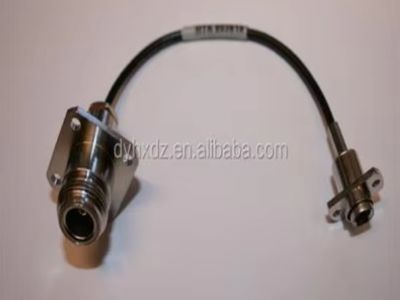
Female to female coax cables are essential components in antenna systems, used to connect various devices within the RF communication chain. Understanding their applications, specifications, and installation processes is crucial for B2B buyers, including purchasing managers, engineers, and product managers. This article will help you navigate the critical aspects of female to female coaxial cable applications in antenna systems, ensuring you make informed purchasing decisions.
How to Choose the Right Female to Female Coax Cable for Your Needs
Selecting a suitable female to female coax cable requires a thorough understanding of your specific application requirements. Key considerations include the frequency range, impedance match, and environmental factors. The frequency range dictates whether the cable will effectively transmit signals without significant loss. Standard impedance values for female rf connector typically include 50 ohms and 75 ohms, so matching the impedance with your devices is crucial to minimize reflections and signal degradation.
Additionally, consider the cable's construction and materials. Cables made with high-quality materials, such as low-loss dielectrics and durable outer jackets, are essential for maintaining signal integrity, especially over longer distances. Depending on your application, you may need cables that can withstand harsh environmental conditions, including extreme temperatures, moisture, and chemical exposure, which may influence the choice of materials and connectors.
Key Specifications for Female to Female Coax Cables in Antenna Systems
Understanding key specifications is vital when evaluating female to female coax cables for antenna systems. Some of the most important specifications include:
Attenuation: This refers to the loss of signal strength as the signal travels through the cable. Lower attenuation values are preferable to ensure stronger signals over longer distances.
Voltage Standing Wave Ratio (VSWR): A lower VSWR indicates better performance, as it reflects how effectively the cable transmits signals without reflections. A VSWR of 1.5:1 or lower is generally acceptable for most applications.
Connector Type: Ensure the connector type matches your antenna and equipment specifications. Common female coaxial cable types include N-type, SMA, and BNC, each with distinct applications and performance characteristics.
Cable Length: Accurate measurement of cable length is essential, as longer cables can introduce additional signal loss. Consider the installation environment and required routing when determining the necessary length.
By focusing on these specifications, you can select a coax cable that meets the performance requirements of your antenna system.
Installation Guidance for Female to Female Coax Cables in Antennas
Proper installation of female to female coax cables is crucial for optimal performance. Here are some essential steps and considerations:
Preparation: Before installation, gather all necessary tools and materials, including connectors, cable ties, and protective covers. Ensure that the installation site is clean and free of debris.
Cable Routing: Plan the cable routing to minimize bends and loops, as these can increase attenuation and affect signal quality. Avoid sharp bends and try to maintain a smooth, gradual curve where necessary.
Connector Installation: When attaching connectors, ensure that they are securely fastened and properly aligned. Poor connections can lead to increased signal loss and potential equipment damage.
Testing: After installation, test the system to ensure proper functionality. Use a signal analyzer or similar device to check for signal strength, VSWR, and overall performance.
Following these guidelines will help ensure that your female to female coax cables are correctly installed, leading to reliable antenna system performance.
Common Problems with Coaxial Cables and Effective Solutions
Several common problems can arise with coaxial cables, including signal loss, interference, and connector issues. Here are some typical challenges and their solutions:
Signal Loss: If you experience unexpected signal loss, check for damaged cables, poor connections, or excessive lengths. Replacing damaged sections and ensuring proper connector installation can often resolve these issues.
Interference: Signal interference can occur due to external sources or improper shielding. Ensure that the coax cable has adequate shielding to protect against electromagnetic interference (EMI) and consider relocating cables away from potential interference sources.
Connector Issues: Loose or corroded connectors can lead to poor signal quality. Regularly inspect connectors for wear and tear, and replace them as needed. Additionally, use appropriate connector cleaning tools to maintain optimal performance.
By proactively addressing these common problems, you can maintain a reliable coaxial cable system that supports your antenna applications.
Cost Factors to Consider When Purchasing Coaxial Cables in Bulk
When purchasing female to female coax cables in bulk, several cost factors should be considered to optimize your procurement process:
Material Quality: Higher-quality materials often come at a premium price, but they can significantly impact performance and longevity. Evaluate the trade-off between cost and quality to make informed decisions.
Order Quantity: Bulk purchasing typically reduces the unit price. Be sure to consider your current and future needs to determine the appropriate order quantity that balances cost savings with inventory management.
Customization: If your project requires specific customization, such as unique lengths or connector types, this may affect pricing. Discuss customization options with your supplier to understand how these factors may influence overall costs.
Lead Time: Urgent orders may incur additional costs. Plan your purchases in advance to avoid expedited shipping fees and ensure timely delivery.
By understanding these cost factors, you can make more strategic decisions when procuring female to female coax cables for your antenna systems.
Table of Contents
- How to Choose the Right Female to Female Coax Cable for Your Needs
- Key Specifications for Female to Female Coax Cables in Antenna Systems
- Installation Guidance for Female to Female Coax Cables in Antennas
- Common Problems with Coaxial Cables and Effective Solutions
- Cost Factors to Consider When Purchasing Coaxial Cables in Bulk