
 EN
EN

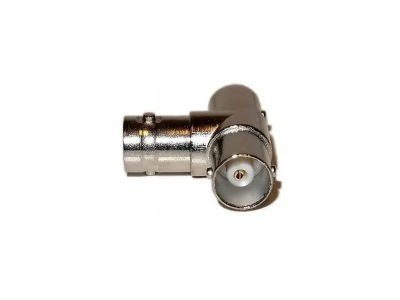
Connecting two coaxial cables with a female to female configuration is a common requirement in various applications, especially in the RF and telecommunications sectors. This process involves using connectors that allow seamless coupling of two coaxial cables, ensuring minimal signal loss and optimal performance. B2B buyers often face concerns regarding compatibility, performance specifications, and installation procedures. This article aims to provide a comprehensive understanding of evaluating coaxial ret control cable connectors, sourcing options, installation guidance, material advantages, and cost factors, thereby empowering purchasing managers, engineers, and product managers to make informed decisions.
How to Evaluate the Performance of Coaxial Cable Connectors?
When selecting coaxial cable connectors, particularly female to female configurations, several performance factors must be assessed. Key specifications include insertion loss, return loss, and VSWR (Voltage Standing Wave Ratio).
Insertion Loss refers to the amount of signal loss that occurs when the signal passes through the connector. A lower insertion loss indicates better performance, typically desired in high-frequency applications where signal integrity is crucial.
Return Loss measures the amount of signal reflected back towards the source due to impedance mismatches. A higher return loss signifies better matching and less signal reflection, essential for maintaining signal quality.
VSWR assesses how well the connector matches the characteristic impedance of the rf jumper cable. A VSWR close to 1:1 is ideal, indicating minimal reflections and efficient signal transmission.
Buyers should also consider the connector’s power handling capability, which is critical for applications transmitting high-frequency signals. Understanding these parameters helps in ensuring that the selected connectors will meet the operational demands of the intended application.
Wholesale Sourcing Options for Reliable Coaxial Cable Solutions
Sourcing coaxial cable connectors in bulk requires careful consideration of suppliers and their capabilities. Dongguan Yuxiang Electronic Technology Co., Ltd. offers OEM services and adheres to military international standards, making it a reliable choice for sourcing high-precision RF coaxial connectors.
When evaluating wholesale suppliers, consider the following factors:
Quality Assurance: Verify if the supplier has established quality control processes and certifications. This ensures that the products meet necessary industry standards.
Customization Capabilities: Suppliers like Yuxiang can often provide customized solutions tailored to specific application needs, which is particularly beneficial for unique projects requiring specialized connectors.
Lead Times and Minimum Order Quantities (MOQ): Confirm the lead times for production and the MOQ to align with your project timeline and budget. A reliable supplier should be transparent about these aspects.
Shipping and Packaging: Understand how the products will be packaged and shipped to prevent damage during transit, especially when dealing with high-precision components like coaxial connectors.
Choosing a supplier with robust sourcing options and a solid reputation in the industry can significantly impact the efficiency and reliability of your operations.
Installation Guidance for Female to Female Coaxial Cable Connections
Proper installation of female to female coaxial cable connections is vital for achieving optimal performance. Here are some essential guidelines:
Inspection Before Use: Before connecting the cables, inspect the connectors for any physical damage or dirt that may impede performance. Clean the connector interfaces with a lint-free cloth to remove contaminants.
Connector Alignment: Ensure that connectors are properly aligned during installation. Misalignment can lead to increased insertion loss and reduced performance.
Torque Specifications: Apply the right torque when tightening connectors. Over-tightening can damage the connectors, while under-tightening may lead to connection failures. Refer to manufacturer specifications for recommended torque values.
Testing Connections: After installation, utilize a network analyzer to test the connections for insertion loss and VSWR. This step ensures that the installation meets performance standards before the system goes live.
By adhering to these installation practices, buyers can minimize the risk of connection issues and enhance the longevity of the coaxial cable assembly assembly.
Comparing Material Advantages in Coaxial Cable Assemblies
The material selection for coaxial connectors significantly influences their performance and durability. Common materials used include brass, stainless steel, and aluminum, each offering distinct advantages
Brass: Known for excellent conductivity and corrosion resistance, brass connectors are ideal for general applications. They provide reliable performance but may require additional surface treatments for harsh environments.
Stainless Steel: This material offers superior strength and corrosion resistance, making it suitable for outdoor applications or environments with high humidity. Stainless steel connectors can handle higher mechanical stresses, ensuring longevity.
Aluminum: Lightweight and cost-effective, aluminum connectors are often used in applications where weight savings are critical. However, they may not provide the same level of durability as brass or stainless steel.
Buyers should consider the specific requirements of their application, such as environmental exposure and mechanical stress, to choose the appropriate connector material.
Understanding Cost Factors in Coaxial Cable Purchases and Sourcing
Several factors influence the cost of coaxial cable connectors, which buyers should consider to optimize their purchasing decisions:
Material Costs: The choice of material directly affects pricing. Higher-quality materials like stainless steel may come at a premium but can save costs in the long term by reducing failure rates and maintenance needs.
Manufacturing Processes: The complexity of manufacturing processes, including precision machining and assembly, impacts the unit price. More intricate designs typically require more advanced manufacturing capabilities, affecting overall costs.
Customization Needs: Custom connectors tailored to specific applications may incur additional costs. However, these can be justified if they enhance performance or fit unique installation requirements.
Volume Discounts: Purchasing in bulk often leads to cost savings. Engaging with suppliers to negotiate pricing based on order volume can result in significant reductions.
By understanding these cost factors, buyers can make informed decisions that align with their budgetary constraints while ensuring they acquire high-quality coaxial cable connectors suitable for their needs.
Table of Contents
- How to Evaluate the Performance of Coaxial Cable Connectors?
- Wholesale Sourcing Options for Reliable Coaxial Cable Solutions
- Installation Guidance for Female to Female Coaxial Cable Connections
- Comparing Material Advantages in Coaxial Cable Assemblies
- Understanding Cost Factors in Coaxial Cable Purchases and Sourcing