
 EN
EN

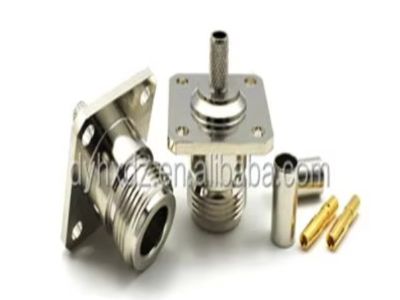
When it comes to ensuring reliable connections in cable extension applications, selecting the right female to female coax cable is essential for performance and compatibility. This article will help purchasing managers, engineers, and other decision-makers understand the key considerations for sourcing these coaxial cable connectors, from specifications to quality control standards. It will also address common installation issues and cost factors, all of which can influence the success of your projects.
How to Choose the Right Female to Female Coax Cable for Extensions?
Choosing the right female to female coax cable for cable extension applications involves evaluating several critical factors. First, consider the cable's impedance, typically either 50 or 75 ohms. This specification is crucial for matching the cable to your equipment and ensuring optimal signal integrity. A mismatch can lead to signal loss and degraded performance.
Next, assess the cable length and flexibility required for your installation. Longer cables may introduce more loss, while flexibility can be important in tight spaces or when routing cables. Additionally, look for cables that meet relevant industry standards, such as military specifications or other international standards, to ensure reliability and durability in your application.
Lastly, consider the connectors used. The quality of the female coaxial cable significantly impacts the cable's performance. Ensure they are made from high-quality materials that resist corrosion and provide a secure fit. If customization is needed, many manufacturers, including Dongguan Yuxiang Electronic Technology Co., Ltd., offer OEM services to tailor cables to specific requirements.
Key Specifications for Female to Female Coax Cables in Bulk Orders
When ordering female to female coax cables in bulk, focus on several key specifications that directly affect performance and compatibility. These include:
Cable Diameter: The cable's outer diameter can impact installation space and flexibility. Ensure it fits within your application requirements.
Attenuation: This measures the signal loss over a particular length of the cable. Lower attenuation values are preferable for longer distances.
Frequency Range: Determine the frequency range your application requires. Ensure the female to female coaxial cable can support these frequencies without loss of signal quality.
Material Composition: The materials used for the cable and connectors affect performance. Look for cables with solid copper conductors and high-quality dielectric materials for the best performance.
Temperature Rating: Ensure that the cable can withstand the environmental conditions it will face, whether indoors or outdoors.
Confirm these specifications with your supplier to avoid any issues during installation or operation.
Quality Control Standards for Coax Cables in Manufacturing Processes
Quality control is paramount in the manufacturing of female to female coax cables, particularly for applications that require high reliability. Manufacturers like Dongguan Yuxiang Electronic Technology Co., Ltd. adhere to stringent quality control standards, which include:
Incoming Material Inspection: All raw materials are inspected for conformance to specifications before production begins. This helps prevent defects that could arise from subpar materials.
In-Process Testing: Throughout the manufacturing process, cables undergo testing to ensure they meet dimensional and performance specifications. This includes checking for proper impedance and attenuation levels.
Final Product Testing: Before shipping, each batch of cables is subjected to rigorous testing, including performance testing at specified frequencies. This ensures that the cables will meet the expected performance criteria in real-world applications.
Compliance Certifications: Many manufacturers obtain certifications that verify adherence to international standards, providing assurance of quality and reliability.
Buyers should request information about the quality control processes employed by their suppliers to ensure they are getting products that meet their standards.
Common Installation Issues with Coax Cables and Their Solutions
Installation of female to female coax cables can present various challenges that may impact performance. Here are some common issues and their solutions:
Signal Loss Due to Poor Connections: Ensure that connectors are properly seated and tightened to avoid signal loss. Using high-quality connectors can also mitigate this risk.
Cable Bending Radius: Excessive bending can damage the cable and affect performance. Follow the manufacturer's recommendations for minimum bending radius during installation.
Interference from External Sources: Coax cables can pick up interference from nearby electrical equipment. To minimize this, keep cables away from power sources and use properly shielded cables where necessary.
Moisture Exposure: If the installation is outdoors or in humid environments, use cables with proper weatherproofing to prevent water ingress, which can lead to performance degradation.
By proactively addressing these issues during installation, you can ensure that your coax cables will perform as intended.
Cost Considerations When Purchasing Female to Female Coax Cables
When evaluating the cost of female to female coax cables, several factors come into play that can influence pricing. Understanding these factors can help you make informed purchasing decisions:
Material Costs: The choice of materials significantly affects pricing. Cables made with higher-grade materials, such as solid copper, will typically cost more but offer better performance and durability.
Customization: Custom lengths, connectors, and specifications can increase costs. However, investing in customized solutions may result in better performance for specific applications.
Order Volume: Bulk orders often lead to price discounts. Check with suppliers about minimum order quantities (MOQ) and volume pricing to maximize savings.
Testing and Certification: Cables that undergo extensive testing or are certified to meet specific standards may have a higher price point due to the added assurance of quality and reliability.
By considering these cost factors, buyers can balance quality with budget constraints to find the best coax cables for their needs.
Making well-informed decisions regarding female to female coax cables for cable extension applications can significantly impact the performance and reliability of your communications systems. By focusing on key specifications, quality control, installation challenges, and cost considerations, you are better equipped to select the right product for your specific needs.
Table of Contents
- How to Choose the Right Female to Female Coax Cable for Extensions?
- Key Specifications for Female to Female Coax Cables in Bulk Orders
- Quality Control Standards for Coax Cables in Manufacturing Processes
- Common Installation Issues with Coax Cables and Their Solutions
- Cost Considerations When Purchasing Female to Female Coax Cables