
 EN

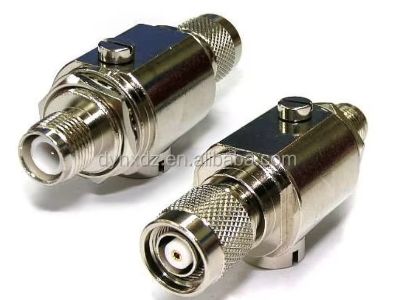
In the world of RF equipment, safeguarding against lightning surges is critical for maintaining performance and reliability. Lightning surge arresters play a vital role in this protection, ensuring that sensitive electronic components are shielded from potentially damaging voltage spikes. This article will focus on the selection of lightning surge arrester specifically for RF equipment protection, addressing the key considerations that B2B buyers must keep in mind, such as sourcing, reliability, installation challenges, cost factors, and material advantages.
Where to Source Reliable Lightning Surge Arresters for Bulk Orders?
Sourcing reliable lightning surge arresters involves identifying manufacturers with proven expertise and a commitment to quality. Buyers should look for suppliers that adhere to international military standards, as this ensures that the components can withstand demanding operational conditions. Dongguan Yuxiang Electronic Technology Co., Ltd., for example, specializes in high-precision RF coaxial connectors and cable assemblies, making them well-versed in the specific requirements for RF equipment protection.
When placing bulk orders, it is advisable to establish long-term relationships with suppliers who can provide consistent quality and reliable delivery schedules. Buyers should request samples to evaluate product performance under actual operating conditions and confirm that the supplier has the capacity to meet their volume needs. It’s also beneficial to inquire about their quality control processes and any certifications they hold, which can serve as indicators of their reliability and commitment to excellence.
What Makes a Reliable Lightning Surge Arrester?
A reliable lightning surge arrester must possess several key characteristics that ensure effective protection for RF equipment. First and foremost, the voltage rating is crucial; it should exceed the maximum operating voltage of the RF system to prevent premature failure. Additionally, the arrester's energy absorption capability is essential to handle transient surges without degradation.
Material selection also plays a significant role in the performance of the surge arrester. High-quality materials that provide excellent insulation and thermal stability are preferred, as they enhance the longevity and efficiency of the component. Furthermore, the design of the arrester should facilitate easy installation and maintenance, which can minimize downtime for RF systems.
Buyers should consider the manufacturer's experience and reputation in the industry, as these factors can directly affect the reliability of the products. Ensuring that the high voltage surge arrester is compatible with existing RF equipment is also critical; thus, consulting with the supplier for technical specifications and compatibility checks is advisable.
Common Installation Issues with Lightning Surge Arresters and Solutions
While installing lightning surge arresters may seem straightforward, several common issues can arise that may compromise their effectiveness. One frequent problem is improper grounding, which can result in ineffective surge protection. To mitigate this, it is essential to follow the manufacturer's grounding recommendations and perform checks during installation to ensure that all connections are secure.
Another challenge is the placement of the arrester. Ideally, it should be installed as close as possible to the equipment being protected to minimize the length of exposed cabling, which can act as an antenna for surges. If space constraints exist, using high-frequency connectors that minimize signal loss can be a solution.
Lastly, it's important to consider environmental factors, such as temperature and humidity, which can affect the performance of the surge arrester. Buyers should confirm that the selected power line lightning arrester is rated for the specific environmental conditions in which it will be installed. Regular maintenance checks and testing can help identify potential issues before they result in equipment damage.
Cost Factors to Consider When Purchasing Surge Arresters Wholesale
When purchasing lightning surge arresters wholesale, various cost factors should be considered to ensure that the investment aligns with the budget and quality expectations. The initial purchase price is only one aspect; buyers should also factor in shipping costs, customs duties, and potential tariffs that could affect the overall expense.
Volume discounts are often available for bulk orders, so negotiating with suppliers for better pricing can yield significant savings. However, buyers should exercise caution; opting for the cheapest option may lead to compromises in quality, which can result in higher costs in the long run due to equipment failure or increased maintenance needs.
Additionally, it is crucial to evaluate the total cost of ownership, which includes the expected lifespan of the surge arrester and its performance under operational conditions. Investing in high-quality products from reputable manufacturers may have a higher upfront cost but can provide better reliability and lower maintenance expenses over time.
How to Assess the Material Advantages of Surge Arresters for RF Use?
The material used in lightning surge arresters significantly impacts their performance and suitability for RF applications. Key materials include silicon carbide, metal oxide varistors (MOVs), and polymer-based insulators, each offering distinct advantages.
Silicon carbide, for instance, is favored for its high breakdown voltage and ability to handle high energy surges, making it ideal for critical RF equipment. On the other hand, MOVs provide excellent clamping characteristics but may require additional thermal management in high-temperature environments.
Polymer-based insulators are known for their lightweight properties and resistance to moisture, which can enhance the durability of the surge arrester in outdoor applications. Buyers should assess the specific requirements of their RF systems, including operating conditions and expected surge profiles, to select the most appropriate materials.
Moreover, it is advisable to consult with manufacturers about their material sourcing and testing processes. Understanding how materials are selected and tested can provide confidence in the product's reliability and performance under operational conditions.
By considering these factors and engaging with knowledgeable suppliers, B2B buyers can make informed decisions when selecting lightning surge arresters for RF equipment protection. This proactive approach not only helps in safeguarding valuable assets but also ensures seamless operation in the long term.
Table of Contents
- Where to Source Reliable Lightning Surge Arresters for Bulk Orders?
- What Makes a Reliable Lightning Surge Arrester?
- Common Installation Issues with Lightning Surge Arresters and Solutions
- Cost Factors to Consider When Purchasing Surge Arresters Wholesale
- How to Assess the Material Advantages of Surge Arresters for RF Use?