
 EN

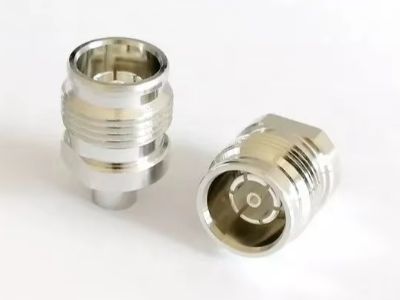
High power coaxial cables are critical components in RF transmitters and antenna systems, designed to handle significant power levels while maintaining signal integrity. For B2B buyers such as purchasing managers, distributors and engineers the selection of the right high power coaxial cable can directly impact the performance and reliability of communication systems. This article will guide you through key specifications, ordering considerations, material advantages, and sourcing strategies, helping you make informed decisions for your projects.
High Power Coaxial Cable Specifications for RF Applications
When evaluating high power coaxial cables for RF applications, several specifications are crucial. These include impedance, power handling capability, frequency range, and attenuation.
Impedance: Typically, high power coaxial cables are available in 50-ohm and 75-ohm variants. The choice depends on the specific application 50-ohm cables are commonly used for RF transmission due to their lower loss characteristics, while 75-ohm cables are often found in video and broadcast applications.
Power Handling Capability: This is a measure of how much power the cable can handle without failure, typically expressed in watts. Higher power ratings are essential for applications involving RF transmitters that operate at elevated power levels. When selecting a cable, ensure its power rating aligns with your system's requirements.
Frequency Range: The cable's performance can vary significantly across different frequencies. high power coaxial cable must be chosen based on the frequency range of your RF application, as signal loss and impedance mismatches can occur outside the specified range.
Attenuation: Attenuation refers to the reduction in signal strength as it travels through the cable. It is essential to minimize attenuation to maintain signal integrity, especially over long distances. High-quality materials and construction techniques contribute to lower attenuation values.
Understanding these specifications allows buyers to select the most suitable high power coaxial cable for their RF systems, ensuring optimal performance and reliability.
Bulk Order Opportunities for High Power Coaxial Cable
For purchasing managers and distributors looking to place bulk orders of high power coaxial cables, several factors come into play, including minimum order quantities (MOQs), pricing structure, and lead times.
Minimum Order Quantities (MOQs): Many manufacturers, including Dongguan Yuxiang Electronic Technology Co., Ltd., offer flexible MOQs for bulk orders. Understanding the MOQ is essential for managing inventory and ensuring you have adequate stock to meet demand.
Pricing Structure: Bulk purchasing often comes with cost benefits. Buyers should inquire about volume discounts and potential cost savings associated with larger orders. Manufacturers may provide tiered pricing based on order size, which can significantly impact overall project budgets.
Lead Times: The lead time for bulk orders can vary based on production capacity and existing inventory. When planning an order, it’s crucial to communicate your timeline to the manufacturer to ensure timely delivery. Discussing potential rush orders or prioritizing production can also be beneficial.
Exploring these bulk order opportunities can enhance procurement efficiency and lead to cost savings for businesses investing in high power coaxial cables.
Comparing High Power Coaxial Cable Options for Distributors
Distributors often face the challenge of selecting from a variety of high power coaxial cable options. Key considerations include product specifications, manufacturer reputation, and customization capabilities.
Product Specifications: As outlined earlier, comparing specifications such as impedance, power handling, and frequency response is vital. Distributors should maintain a checklist of these specifications to facilitate informed comparisons among different manufacturers.
Manufacturer Reputation: The credibility of the manufacturer plays a significant role in the decision-making process. Researching the manufacturer’s history, certifications, and adherence to international standards can provide insights into product quality and reliability. Dongguan Yuxiang Electronic Technology Co., Ltd., for instance, adheres to military standards, which is a strong indicator of quality.
Customization Capabilities: Many applications require specific configurations or customization, such as length, connector types, and shielding options. Distributors should evaluate a manufacturer’s ability to accommodate these requests, as well as the associated lead times and costs.
By carefully comparing options based on these criteria, distributors can make strategic purchasing decisions that align with their customers’ needs.
Understanding Material Advantages of Coaxial Cables
The choice of materials in high power coaxial cables significantly impacts performance, durability, and application suitability. Common materials include copper, aluminum, and various dielectric insulators.
Conductor Material: Copper is the preferred conductor material for its excellent conductivity and low attenuation. In contrast, aluminum may be used in certain applications where weight is a concern, but it generally has higher resistance and lower performance.
Dielectric Insulators: The dielectric material affects the coaxial cable connector assembly capacitance and signal integrity. Materials such as polyethylene and Teflon are popular choices, each offering different performance characteristics. For instance, Teflon has superior thermal stability and dielectric strength, making it suitable for high-frequency applications.
Shielding Materials: Effective shielding is essential to prevent electromagnetic interference (EMI). Options include foil, braided, or a combination of both. The choice of shielding material should be based on the operating environment and the level of EMI protection required.
Understanding these material advantages helps buyers select the right high power coaxial cable that meets their application demands while ensuring longevity and performance.
Where to Source High Power Coaxial Cables for Projects?
Sourcing high power coaxial cables effectively requires knowledge of reputable suppliers, industry networks, and online platforms.
Reputable Suppliers: Establishing relationships with trusted manufacturers like Dongguan Yuxiang Electronic Technology Co., Ltd. can streamline sourcing. Engaging with suppliers who have a proven track record in the industry provides greater assurance of product quality and support.
Industry Networks: Participating in industry trade shows, conferences, and forums can offer valuable networking opportunities. These events allow buyers to meet manufacturers, view products firsthand, and discuss specific project requirements.
Online Platforms: Various B2B marketplaces and industry-specific websites can be useful for sourcing coaxial cable assembly. However, it is essential to verify the credentials of suppliers found online to ensure they meet quality standards.
By leveraging these sourcing strategies, buyers can secure high-quality high power coaxial cables tailored to their project specifications and operational needs.