
 EN
EN

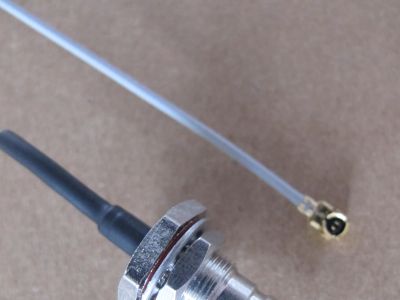
Low loss coaxial cables are essential for long-distance RF signal transmission, particularly in industries that rely on reliable communication systems. Choosing the right low loss coaxial cable can significantly impact performance, especially in applications where signal integrity is critical. We will explore the factors to consider when selecting low loss coaxial cable connectors, available wholesale options, common issues that may arise during RF signal transmission, their industrial applications, and guidance on sourcing reliable suppliers.
Choosing Low Loss Coaxial Cable for Long-Distance RF Applications
When selecting a low loss coaxial cable for long-distance RF applications, buyers should consider several key specifications: attenuation, frequency range, and dielectric material.
Attenuation: This refers to the loss of signal strength as it travels through the cable. Lower attenuation is crucial for long-distance transmission, as it ensures that the RF signal maintains its integrity over greater distances. Buyers should look for cables with attenuation specifications that align with their operating frequency to ensure optimal performance.
Frequency Range: Different coaxial cables are designed to perform optimally within specific frequency ranges. Buyers must confirm that the cable selected can handle the frequency of the RF signals being transmitted. For high-frequency applications, specialized cables, such as those made with PTFE (Teflon) dielectric, may be necessary.
Dielectric Materials: The choice of dielectric material affects both loss characteristics and environmental resilience. For example, foamed polyethylene is commonly used for its low loss properties, while solid polyethylene may offer more robustness in demanding environments. Buyers should evaluate their application's environmental conditions to determine the most suitable material.
In summary, understanding these specifications is vital for buyers to ensure that their chosen low loss coaxial cable meets the demands of their specific application.
Wholesale Options for High-Quality Low Loss Coaxial Cables
For businesses looking to purchase low loss coaxial cables in bulk, wholesale options can provide significant cost savings. Manufacturers like Dongguan Yuxiang Electronic Technology Co., Ltd. often offer competitive pricing for bulk orders, which can include additional benefits such as customization and tailored packaging solutions.
When sourcing wholesale cables, buyers should consider the following:
Minimum Order Quantity (MOQ): Different suppliers have varying MOQs, which can influence the total cost and feasibility of the order. Buyers should clarify these details before placing orders.
Customization Capabilities: Many manufacturers can customize cable lengths, connector types, and other specifications to meet specific project needs. It is essential to discuss customization options early in the procurement process to ensure requirements are fully understood.
Quality Assurance: It is crucial to verify that the supplier adheres to quality control processes and international standards. Certifications and quality assurance practices can provide peace of mind, ensuring that the coaxial cable and connectors meet industry requirements.
By exploring wholesale options, businesses can secure high-quality low loss coaxial cables at competitive prices while ensuring they meet their operational needs.
Common Problems with RF Signal Transmission and Their Solutions
RF signal transmission can encounter several common issues that may affect performance and reliability. Understanding these problems and their solutions can help buyers make informed purchasing decisions.
Signal Attenuation: As mentioned earlier, attenuation can lead to diminished signal quality. Solutions include selecting cables with lower attenuation characteristics, ensuring that the coaxial cable connectors types are compatible and properly installed, and avoiding unnecessary bends or twists in the cable run.
Interference: RF signals can be susceptible to electromagnetic interference (EMI) from nearby electronic devices. To mitigate this issue, using cables with adequate shielding, such as double or triple shielding, can help protect the signal integrity.
Connector Issues: Poorly fitted connectors can lead to reflections and signal loss. It is vital to ensure that connectors are compatible with both the cable and the devices they connect to. Buyers should consider investing in high-quality connectors that provide reliable connections.
By addressing these common problems, buyers can enhance the reliability and effectiveness of their RF signal transmission systems.
Applications of Low Loss Coaxial Cables in Industrial Settings
Low loss coaxial cables are utilized across various industrial applications due to their superior performance characteristics. Common applications include:
Telecommunications: In telecommunications, low loss coaxial cables are essential for transmitting data over long distances, ensuring that signals remain strong and clear.
Broadcasting: For radio and television broadcasting, these cables help maintain signal quality over vast distances, minimizing loss and interference.
Military and Aerospace: Adhering to military specifications, low loss coaxial cables are crucial in military and aerospace applications where reliability is paramount. These cables often undergo rigorous testing to ensure they can withstand extreme conditions.
Test and Measurement: In testing environments, low loss coaxial cables are used to connect instruments, ensuring accurate signal transmission and measurement.
Understanding the specific applications of low loss coaxial cables can guide buyers in selecting the right products for their needs.
Where to Source Reliable Low Loss Coaxial Cable Suppliers?
Finding reliable suppliers for low loss coaxial cables is critical for ensuring product quality and performance. Buyers should consider the following strategies for sourcing:
Industry Directories: Online industry directories and trade organizations can provide lists of reputable manufacturers and suppliers. Buyers should look for companies with a proven track record in RF applications.
Trade Shows: Attending industry trade shows offers opportunities to meet suppliers in person, evaluate their products, and discuss specific requirements. This face-to-face interaction can help build trust and facilitate better communication.
Referrals and Reviews: Seeking recommendations from industry peers or reviewing online feedback can help identify suppliers with a strong reputation for quality and service.
Certifications and Standards: Verify that potential suppliers meet relevant industry certifications and standards. This can provide assurance that the products will meet expected performance criteria.
By utilizing these strategies, buyers can identify and engage with reliable low loss coaxial cable suppliers, ensuring their projects are supported by high-quality materials.
Table of Contents
- Choosing Low Loss Coaxial Cable for Long-Distance RF Applications
- Wholesale Options for High-Quality Low Loss Coaxial Cables
- Common Problems with RF Signal Transmission and Their Solutions
- Applications of Low Loss Coaxial Cables in Industrial Settings
- Where to Source Reliable Low Loss Coaxial Cable Suppliers?