
 EN
EN

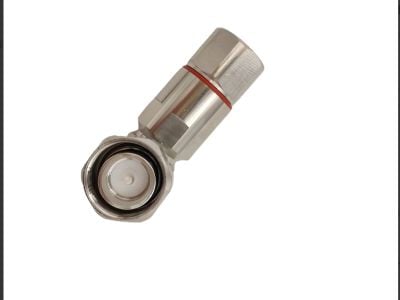
Low loss coaxial cables play a crucial role in high-frequency communication systems, ensuring optimal signal integrity and minimal attenuation. For B2B buyers, understanding the specifications, sourcing options, and installation guidelines for these cables is essential for making informed purchasing decisions. This article outlines key factors to consider when selecting low loss coaxial cables, where to find reliable suppliers, and best practices for installation and application.
Key Specifications to Consider for Low Loss Coaxial Cable
When evaluating low loss coaxial cables, several specifications are critical to ensuring that the cable meets the demands of high-frequency applications. Key specifications include:
Attenuation: This measures the signal loss over distance. Lower attenuation values indicate better performance, which is essential for preserving signal quality in long-distance communications. Buyers should confirm the attenuation specifications at the specific frequencies relevant to their applications.
Impedance: Standard rf coaxial cable typically have impedances of 50 ohms or 75 ohms. It’s vital to select a cable with the correct impedance to match the system requirements to avoid reflections that can degrade the signal.
Dielectric Material: The type of dielectric material used, such as foam or solid polyethylene, affects the cable's performance, especially at high frequencies. A suitable dielectric minimizes dielectric losses and improves the overall performance of the cable.
Shielding: The level of electromagnetic interference (EMI) protection is determined by the type and quality of shielding. Options include single or double shielding, with braided or foil materials. Higher quality shielding can enhance signal integrity, particularly in environments with high interference.
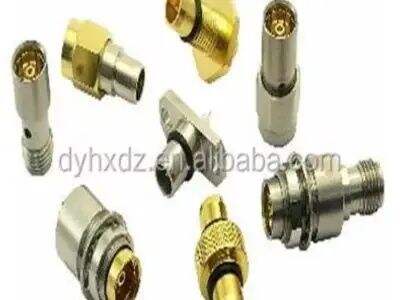
Connector Type: The compatibility of connectors with the coaxial cable is crucial for seamless integration into existing systems. Common connector types include SMA, N-type, and BNC, and selecting the right connector can facilitate optimal performance.
Buyers should assess these specifications based on their specific application requirements to ensure compatibility and performance.
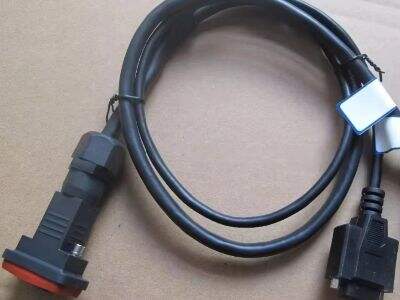
Where to Source High-Quality Low Loss Coaxial Cable Wholesale?
Sourcing high-quality low loss coaxial cables involves finding reputable manufacturers and suppliers. Here are key considerations for buyers:
Established Manufacturers: Look for companies with a proven track record in the RF and microwave industry. Dongguan Yuxiang Electronic Technology Co., Ltd. is an example of a manufacturer specializing in high-precision RF coaxial connectors and cable assemblies, adhering to military international standards.
OEM Services: Many manufacturers offer OEM services, which can be advantageous for businesses needing customized solutions. Verify the manufacturer’s capabilities to produce cables that meet specific performance or application requirements.
Quality Assurance: Ensure the supplier has robust quality control processes in place. This includes certifications that adhere to industry standards, like ISO certifications, which can provide assurance of product quality and consistency.
Minimum Order Quantities (MOQ): Understand the MOQ set by suppliers, as this can vary significantly. Some manufacturers may offer flexible MOQs, which can be beneficial for smaller projects or trial runs.
Local vs. International Suppliers: Assess the benefits of sourcing locally versus internationally. Local suppliers may offer quicker lead times and easier communication, while international suppliers might provide lower costs or specialized products.
Engaging with suppliers who have a strong reputation in the industry can lead to better quality and service.
Comparing Low Loss Coaxial Cable Options for Your Projects
When choosing among different low loss coaxial cable options, a thorough comparison is necessary to select the right product for your project. Factors to consider include:
Performance Requirements: Evaluate the specific performance needs of your application, such as frequency range, environmental conditions, and cable length.
Cost vs. Quality: While it may be tempting to choose the lowest-cost option, consider the total cost of ownership, including installation, maintenance, and potential signal loss. Investing in higher-quality cables can result in long-term savings by reducing failure rates and associated costs.
Customization: Some projects may require custom cable assemblies tailored to specific dimensions or performance characteristics. Discuss customization options with suppliers to ensure you get the right product for your needs.
Technical Support: Assess the level of customer support offered by suppliers. Having access to technical expertise can be invaluable during the selection process and when troubleshooting any issues that arise during installation.
Warranty and Return Policies: Evaluate the warranty and return policies of different suppliers. A solid warranty can provide peace of mind regarding product longevity and reliability.
By systematically comparing these factors, buyers can make informed decisions that align with their project requirements.
Installation Guidelines for Low Loss Coaxial Cable Systems
Proper installation of low loss coaxial cables is critical for maintaining signal integrity and performance. Here are essential guidelines:
Preparation: Before installation, gather all necessary tools and materials. Ensure that the installation environment is clean and free from dust and moisture.
Cable Handling: Handle the cables carefully to prevent damage. Avoid sharp bends that can kink the cable, as this can lead to increased losses. Follow the manufacturer’s recommendations for minimum bend radius.
Connector Installation: When attaching connectors, ensure they are compatible with the cable type and are installed correctly to maintain impedance. Misalignment can lead to signal reflections and degradation.
Testing: After installation, test the cable system to ensure it meets performance specifications. Use a cable analyzer to measure parameters such as return loss and insertion loss, confirming that they are within acceptable limits.
Documentation: Keep detailed records of installation procedures, test results, and any modifications made to the system. This documentation can be invaluable for future maintenance and troubleshooting.
Following these installation guidelines can significantly enhance the performance and reliability of low loss coaxial cable systems.
Benefits of Using Low Loss Coaxial Cable in Communication Systems
Incorporating low loss coaxial cables into high-frequency communication systems offers several benefits:
Improved Signal Integrity: Low loss cables minimize signal attenuation, which is crucial for maintaining high-quality communication over long distances. This ensures that signals remain clear and strong, reducing the likelihood of data loss.
Reduced Interference: High-quality shielding helps protect against electromagnetic interference, which can degrade signal quality. This is particularly important in densely populated environments where multiple signals may compete.
Versatility: Low loss bnc coaxial cable are suitable for various applications, ranging from telecommunications and broadcasting to military and aerospace uses. Their adaptability makes them a preferred choice for many industries.
Cost-Effectiveness: While the initial investment may be higher than standard coaxial cables, the long-term benefits of reduced signal loss and improved system performance can lead to overall cost savings.
Durability: High-quality materials and construction methods used in low loss coaxial cables contribute to their durability, ensuring reliable performance even in challenging environments.
By leveraging the advantages of low loss coaxial cables, businesses can enhance their communication systems, leading to improved operational efficiency and reliability.
Table of Contents
- Key Specifications to Consider for Low Loss Coaxial Cable
- Where to Source High-Quality Low Loss Coaxial Cable Wholesale?
- Comparing Low Loss Coaxial Cable Options for Your Projects
- Installation Guidelines for Low Loss Coaxial Cable Systems
- Benefits of Using Low Loss Coaxial Cable in Communication Systems