
 EN
EN

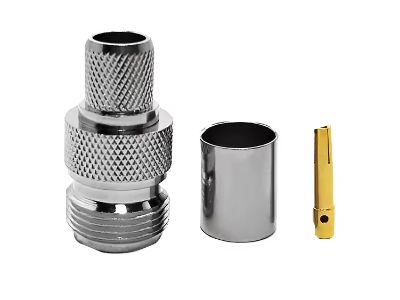
Antenna coaxial cables play a crucial role in wireless communication networks, facilitating the transmission of signals between antennas and various devices. They are essential for ensuring high-quality signal integrity and minimizing loss, which is a primary concern for B2B buyers, including purchasing managers and engineers. This article will explore the key applications of antenna coaxial cables, how to select the right type for your network, where to source them in bulk, understand their specifications, and the cost factors that influence their purchase.
What Are the Key Applications of Antenna Coaxial Cables?
Antenna coaxial cables are used in a variety of applications within wireless communication networks. Their primary function is to transmit radio frequency (RF) signals between antennas and receivers or transmitters. Here are some key applications:
Telecommunication Networks: In cellular networks, coaxial cables connect base stations and antennas, ensuring reliable communication for mobile devices. The cables must accommodate high-frequency signals, necessitating precise manufacturing standards.
Broadcasting: Antenna coaxial cables are integral in television and radio broadcasting systems. They transmit signals from the broadcasting tower to the antenna, making it vital for maintaining signal quality over long distances.
Satellite Communication: In satellite systems, coaxial cable assembly connect satellite dishes to receivers. They must be capable of operating in extreme environmental conditions and handling high-frequency signals.
Wi-Fi Networks: In commercial settings, coaxial cables are utilized in the installation of Wi-Fi antennas to enhance coverage and signal strength in large facilities.
Understanding these applications helps buyers select appropriate coaxial cables suited for their specific needs, ensuring optimal performance in their communication networks.
How to Choose the Right Antenna Coaxial Cable for Your Network?
Selecting the right antenna coaxial cable involves several critical considerations. Here are the key factors to evaluate:
Cable Type: Different types of coaxial cables (e. g., RG-58, RG-213) offer varying levels of attenuation and signal quality. For instance, RG-213 is thicker and provides lower signal loss than RG-58, making it suitable for longer distances.
Frequency Range: Verify the frequency requirements of your application. Ensure the selected coaxial cable can handle the necessary bandwidth without significant signal degradation.
Impedance Matching: Most wireless systems operate at an impedance of 50 or 75 ohms. Ensure that the coaxial cable connector assembly matches the impedance of your antenna and equipment to prevent signal reflection and loss.
Environmental Considerations: If the installation will occur outdoors, consider cables with weather-resistant jackets to protect against moisture and UV exposure.
Length: The length of the cable impacts signal loss; longer cables typically result in increased attenuation. Calculate the required length carefully to minimize loss.
Taking these factors into account will help ensure that your coaxial cable enhances the overall performance of your wireless communication network.
Where to Source Wholesale Antenna Coaxial Cables for Projects?
Sourcing wholesale antenna coaxial cables for projects can be done through various channels:
Direct Manufacturers: Engaging with manufacturers like Dongguan Yuxiang Electronic Technology Co., Ltd. allows for customized solutions tailored to specific project requirements. Manufacturers often provide OEM services that can include tailored specifications.
Distributors: Wholesale distributors often carry a wide range of rf coaxial cable from multiple manufacturers. They can provide valuable insights and may offer discounts for bulk purchases.
Online Marketplaces: E-commerce platforms specializing in electronic components can be good sources for wholesale cables. However, ensure that you verify the supplier's credibility and product quality.
Industry Trade Shows: Attending trade shows can provide opportunities to connect with manufacturers and distributors directly, allowing for discussions about pricing, specifications, and customization options.
Sourcing from reputable suppliers with a track record of quality products is key to ensuring reliability in your wireless communication projects.
Understanding Antenna Coaxial Cable Specifications and Quality
Understanding the specifications of antenna coaxial cables is essential for ensuring optimal performance. Here are some key specifications to consider:
Dielectric Material: The insulation material affects the cable's capacitance and signal loss. Common materials include polyethylene and foam dielectric, each offering different performance characteristics.
Shielding: Proper shielding is vital to protect against external interference. Coaxial cables may feature single or double shielding, with double shielding providing better protection in noisy environments.
Power Handling: This specification indicates how much power the cable can handle before experiencing overheating or signal loss. Ensure the power rating meets or exceeds your application requirements.
Temperature Rating: Check the cable’s temperature range to ensure it can operate effectively in the intended environment, especially for outdoor installations.
Quality Control Processes: Reputable manufacturers implement rigorous quality control processes to ensure that their cables meet international standards. Request information about their quality assurance practices to evaluate their reliability.
When evaluating coaxial cables, understanding these specifications will lead to better purchasing decisions and improved network performance.
Cost Factors to Consider When Purchasing Antenna Coaxial Cables
Several cost factors influence the purchase of antenna coaxial cables:
Material Quality: Higher-quality materials often come at a premium but can lead to better performance and longevity, reducing the need for replacements.
Cable Length: Longer cables will naturally cost more. Assess the necessary length to balance performance with budget constraints.
Customization: Customized cables may incur additional costs, but they can provide tailored solutions that meet specific project needs more effectively.
Order Quantity: Many suppliers offer discounts for bulk orders, so consider this when planning purchases.
Shipping Costs: Depending on the supplier's location and your delivery requirements, shipping costs can significantly impact the overall price.
Understanding these factors will help buyers make informed decisions and negotiate better pricing with suppliers, ultimately leading to a cost-effective solution for their wireless communication needs.
Table of Contents
- What Are the Key Applications of Antenna Coaxial Cables?
- How to Choose the Right Antenna Coaxial Cable for Your Network?
- Where to Source Wholesale Antenna Coaxial Cables for Projects?
- Understanding Antenna Coaxial Cable Specifications and Quality
- Cost Factors to Consider When Purchasing Antenna Coaxial Cables