
 EN
EN

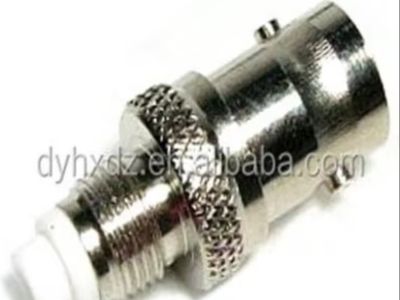
Female to Female Coaxial Cables are essential components for ensuring reliable RF equipment interconnections. Designed to connect two RF devices, these cables play a critical role in maintaining signal integrity and performance in various applications. B2B buyers often focus on product specifications, quality assurance, and cost-effectiveness when selecting coaxial cables. This article aims to provide insights into making informed purchasing decisions for Female to Female Coaxial Cables, covering key aspects such as selection criteria, quality specifications, cost factors, common issues, and diverse industry applications.
Choosing the Right Female to Female Coaxial Cable for RF Applications
Selecting the appropriate Female to Female Coaxial Cable begins with understanding the specific requirements of your RF application. Key considerations include frequency range, impedance, and the environment in which the cable will operate.
Frequency Range: Ensure the cable supports the required frequency range for your application. Higher frequencies may demand cables with better shielding and lower loss characteristics.
Impedance: Standard impedance values for coaxial cables are typically 50 ohms or 75 ohms. Selecting the correct impedance is crucial; mismatched impedance can lead to signal reflections and loss of performance.
Environmental Conditions: Consider the environment where the cable will be installed. Factors such as exposure to moisture, temperature variations, and mechanical stress can influence cable performance. The female coaxial cable designed for harsh environments should have robust jackets and proper shielding to maintain signal integrity.
By assessing these factors, buyers can ensure that they select a Female to Female Coaxial Cable that meets their specific RF application needs.
Key Specifications for Quality Female to Female Coaxial Cable Selection
When evaluating Female to Female Coaxial Cables, there are several key specifications to consider:
Materials: The quality of materials used in cable construction significantly impacts performance. Common materials include copper for conductors and polyethylene for insulation. Higher-quality materials can provide better conductivity and lower attenuation.
Connector Types: Different applications may require specific connector types, such as SMA, N-type, or BNC. Ensure compatibility with existing equipment to avoid installation issues.
Cable Diameter: The diameter of the cable affects flexibility and installation options. Thicker cables generally offer better shielding but may be less flexible.
Return Loss and Insertion Loss: These parameters indicate how much signal is lost during transmission. Lower values are preferable, as they ensure better signal integrity.
Temperature Rating: The cable's temperature rating should match the operating conditions. The female to female coaxial cable rated for higher temperatures can withstand more extreme environments without degrading.
By carefully considering these specifications, buyers can choose high-quality Female to Female Coaxial Cables that meet their performance and durability requirements.
Understanding the Cost Factors in Bulk Orders of Coaxial Cables
Pricing for Female to Female Coaxial Cables can vary significantly based on several factors:
Material Costs: The choice of materials, such as copper versus aluminum, impacts the cost. Higher-quality materials typically lead to higher prices but may offer better long-term performance.
Production Volume: Bulk orders usually result in lower per-unit costs due to economies of scale. Understanding your minimum order quantity (MOQ) can facilitate better pricing negotiations.
Customization Requirements: Custom cables tailored to specific applications may incur additional costs. Consider whether standard options can meet your needs to keep costs down.
Shipping and Handling: If cables are sourced internationally, shipping costs, tariffs, and handling fees should be factored into the total cost.
Quality Assurance Processes: Suppliers that adhere to stringent quality control processes may charge higher prices, but this investment can lead to reduced failure rates and better overall performance.
Understanding these cost factors can help buyers make informed decisions and negotiate effectively when sourcing Female to Female Coaxial Cables.
Common Problems with Coaxial Cables and Effective Solutions
When dealing with Female to Female Coaxial Cables, buyers may encounter various issues. Here are some common problems and their solutions:
Signal Loss: This can occur due to inadequate cable quality or improper installation. To mitigate this, ensure that the cable meets the necessary specifications for your application and that connectors are properly fitted.
Interference: External interference can degrade signal quality. Choosing cables with appropriate shielding can minimize this risk. Additionally, maintaining proper distance from sources of electromagnetic interference (EMI) during installation is essential.
Connector Failures: Poor connections can lead to signal interruptions. Regular inspection and maintenance of connectors, along with using high-quality connectors, can help prevent this issue.
Physical Damage: Cables exposed to harsh environments may suffer damage. Using coax cable female to female designed for outdoor or industrial applications with robust jackets can enhance durability and performance.
Mismatched Impedance: This can result in reflections and poor signal quality. Always verify the impedance of both the cable and the connected devices to ensure compatibility.
By proactively addressing these common problems, buyers can enhance the reliability and performance of their RF connections.
Applications of Female to Female Coaxial Cables in Various Industries
Female to Female Coaxial Cables find extensive applications across multiple industries, including:
Telecommunications: Used in base stations and mobile network infrastructure for reliable signal transmission.
Broadcasting: Essential for connecting transmitters and receivers in radio and television broadcasting systems.
Military and Aerospace: Required for secure communication systems, these cables adhere to strict military standards for durability and reliability.
Medical Equipment: Employed in diagnostic and therapeutic devices, ensuring precise signal transmission in sensitive applications.
Industrial Automation: Utilized in machinery and control systems, these cables help maintain effective communication between various components.
Understanding the applications of Female to Female Coaxial Cables can help buyers identify the right solutions for their specific industry needs, ensuring optimal performance and reliability.
Table of Contents
- Choosing the Right Female to Female Coaxial Cable for RF Applications
- Key Specifications for Quality Female to Female Coaxial Cable Selection
- Understanding the Cost Factors in Bulk Orders of Coaxial Cables
- Common Problems with Coaxial Cables and Effective Solutions
- Applications of Female to Female Coaxial Cables in Various Industries