
 EN
EN

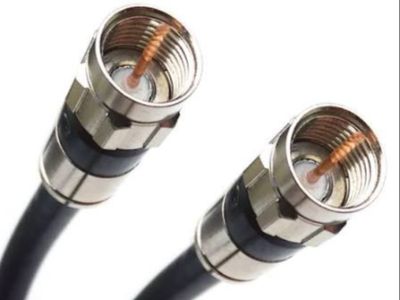
Selecting the right low loss coaxial cable for antenna feeder applications is critical for ensuring optimal signal transmission and system performance. As a purchasing manager or engineer, you face the challenge of balancing specifications, application needs, and cost-effectiveness. This article will guide you through the essential considerations when choosing low loss coaxial cables for your projects, helping you make informed decisions
Choosing the Right Low Loss Coaxial Cable for Your Antenna Feeder
Selecting low loss coaxial cable involves understanding the specific requirements of your antenna feeder application. The primary goal is to minimize signal loss over distance while ensuring the cable can withstand environmental factors and mechanical stresses. Key factors to consider include frequency range, cable length, and installation environment
For instance, if you're working in a high-frequency application, such as telecommunications or broadcasting, you need to choose a cable that maintains low attenuation at those frequencies. Moreover, the installation setting—whether outdoor or indoor—can influence the choice of cable type due to factors like moisture resistance and UV protection. Evaluating these parameters will help you select a cable that meets performance expectations while ensuring durability
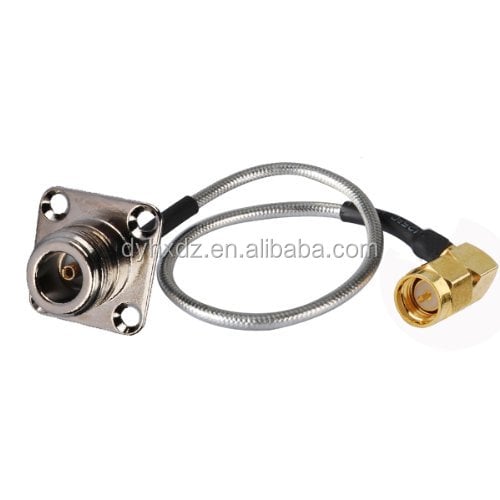
Key Specifications to Look for in Low Loss Coaxial Cable
When assessing low loss coaxial cables, it's essential to focus on the following specifications
Attenuation: This measures the loss of signal strength over distance, typically expressed in decibels (dB) per 100 meters. A lower attenuation value indicates better performance. Make sure to verify the attenuation at the specific frequencies your application will use
Impedance: Most RF applications require cables with a characteristic impedance of either 50 ohms or 75 ohms. It’s crucial to match the cable impedance with that of your system to prevent reflections and signal degradation
Dielectric Material: The dielectric material affects the cable's performance, particularly in terms of signal loss. Common materials include polyethylene (PE) and foam polyethylenes, with foam variants generally providing lower attenuation
Shielding: Look for cables with multiple layers of shielding to protect against electromagnetic interference (EMI). This is especially important in urban environments or areas with many electronic devices
Environmental Ratings: Ensure the cable is rated for outdoor use if necessary, considering factors like UV resistance and temperature tolerance. Cables used in harsh environments may benefit from additional protective jackets
These specifications are fundamental to ensuring that the selected cable performs reliably in your specific application
Wholesale Sourcing Options for Low Loss Coaxial Cable Suppliers
When sourcing low loss coaxial cables, consider various wholesale suppliers that can meet your quantity and customization needs. It's advisable to evaluate suppliers based on several criteria, including
Manufacturing Capabilities: Assess whether a supplier has the necessary technology and expertise to produce cables that adhere to military or international standards. Dongguan Yuxiang Electronic Technology Co., Ltd. specializes in high-precision RF coaxial connectors and cable assemblies, making them a reliable partner
Quality Control: Ensure that the supplier has rigorous quality control processes in place. This may include testing for electrical performance and durability, which is vital for maintaining product integrity
Customization Options: Some projects may require specific lengths, connectors, or materials. Look for suppliers that offer flexible customization to meet your project requirements efficiently
Lead Times and Minimum Order Quantities (MOQ): Establish clear expectations around lead times and MOQs, as these factors can significantly affect your project timeline
Customer Support: A responsive customer service team can provide valuable assistance during the sourcing process and help resolve any issues that may arise post-purchase
Identifying suppliers that align with these criteria will facilitate a smoother sourcing experience
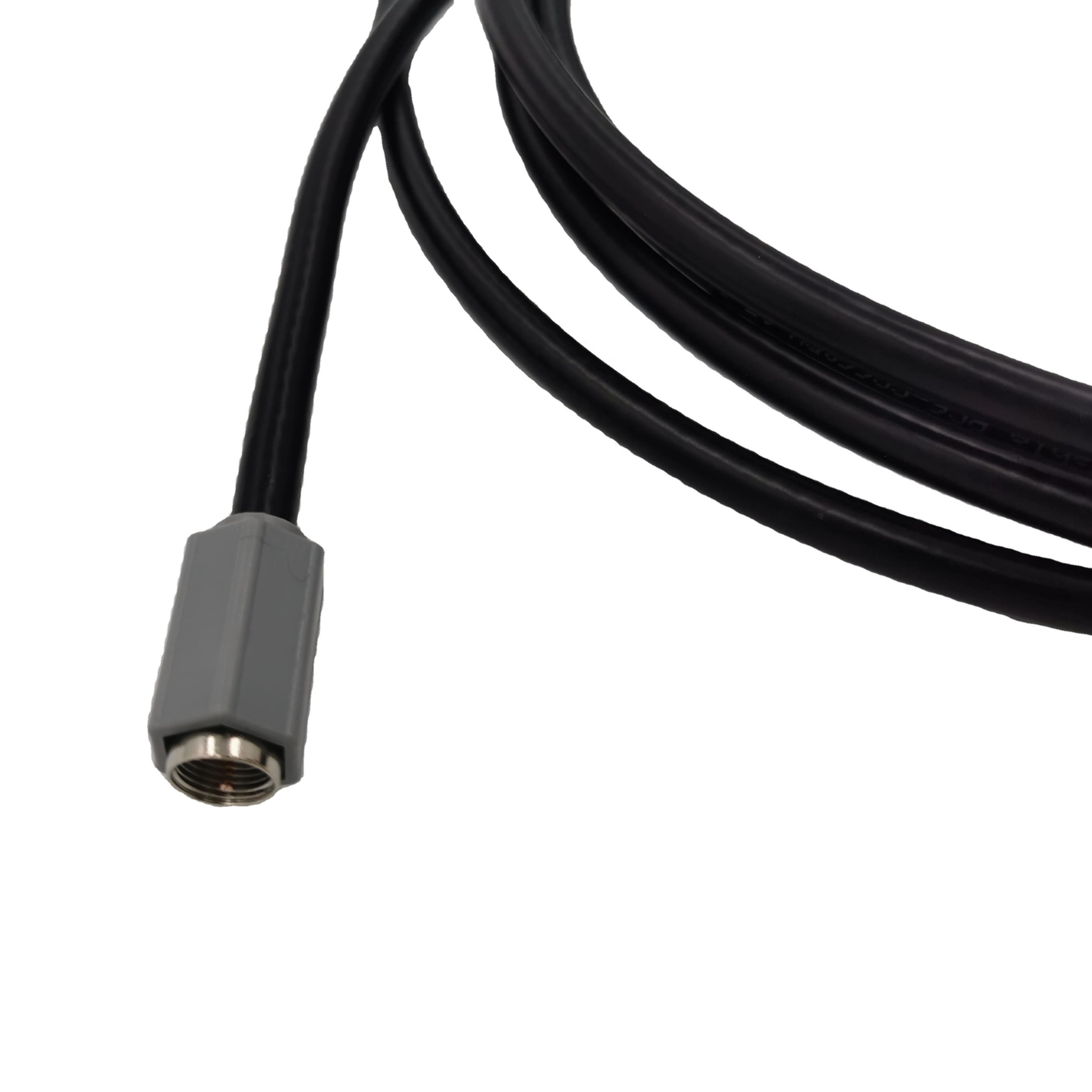
Installation Tips for Low Loss Coaxial Cable in Antenna Systems
Proper installation of low loss coaxial cable is essential to maximize performance and minimize issues. Here are several tips to ensure effective installation
Avoid Sharp Bends: During installation, avoid sharp bends or kinks in the cable, as this can lead to increased attenuation and potential damage. Use gentle curves and follow the manufacturer’s recommended bend radius
Secure Connections: Ensure that connectors are securely fastened to prevent signal loss at junction points. Loose connections can introduce significant attenuation and affect overall system performance
Grounding and Bonding: For outdoor installations, it's critical to implement proper grounding and bonding practices to protect against lightning strikes and surges. This also helps in reducing noise and interference
Test After Installation: Once installed, run tests to confirm that the cable is performing as expected. Measure signal strength and check for any unexpected losses, which could indicate installation issues
By adhering to these installation best practices, you can enhance the reliability and efficiency of your antenna feeder system
Where to Buy Low Loss Coaxial Cable for Bulk Orders and Projects
For bulk purchases of low loss coaxial cables, consider the following options
Direct from Manufacturers: Purchasing directly from manufacturers like Dongguan Yuxiang Electronic Technology Co., Ltd. can often result in cost savings and better customization options. This route allows for more direct communication regarding specifications and quality assurance
Industrial Distributors: Explore industrial distributors who specialize in electronic components. They often carry a range of products and can provide guidance on selecting the right cables for your needs
Online Marketplaces: E-commerce platforms may offer competitive pricing and a variety of suppliers. However, ensure the suppliers have a solid reputation and positive reviews to avoid potential quality issues
Trade Shows and Industry Events: Attending trade shows can provide valuable opportunities to meet suppliers, compare products, and discuss your specific requirements directly with manufacturers
When sourcing cables for bulk orders, always request samples to evaluate the quality before committing to larger purchases. This practice helps ensure that the products meet your performance and quality standards
By understanding these aspects of low loss coaxial cable, B2B buyers can navigate the selection process with greater confidence, ensuring they choose the most suitable products for their antenna feeder applications
Table of Contents
- Choosing the Right Low Loss Coaxial Cable for Your Antenna Feeder
- Key Specifications to Look for in Low Loss Coaxial Cable
- Wholesale Sourcing Options for Low Loss Coaxial Cable Suppliers
- Installation Tips for Low Loss Coaxial Cable in Antenna Systems
- Where to Buy Low Loss Coaxial Cable for Bulk Orders and Projects